Vincent began his career in Australia as a chemistry lab assistant in the mining industry. After pivoting to UX design in the US, he brings a research driven approach to creating accessible experiences.

He has since worked with @Instrument, @NASA Goddard Space Flight Center, @Peloton Interactive, and @River Financial.

River's sign up redesign
Streamlined the onboarding journey to first buy
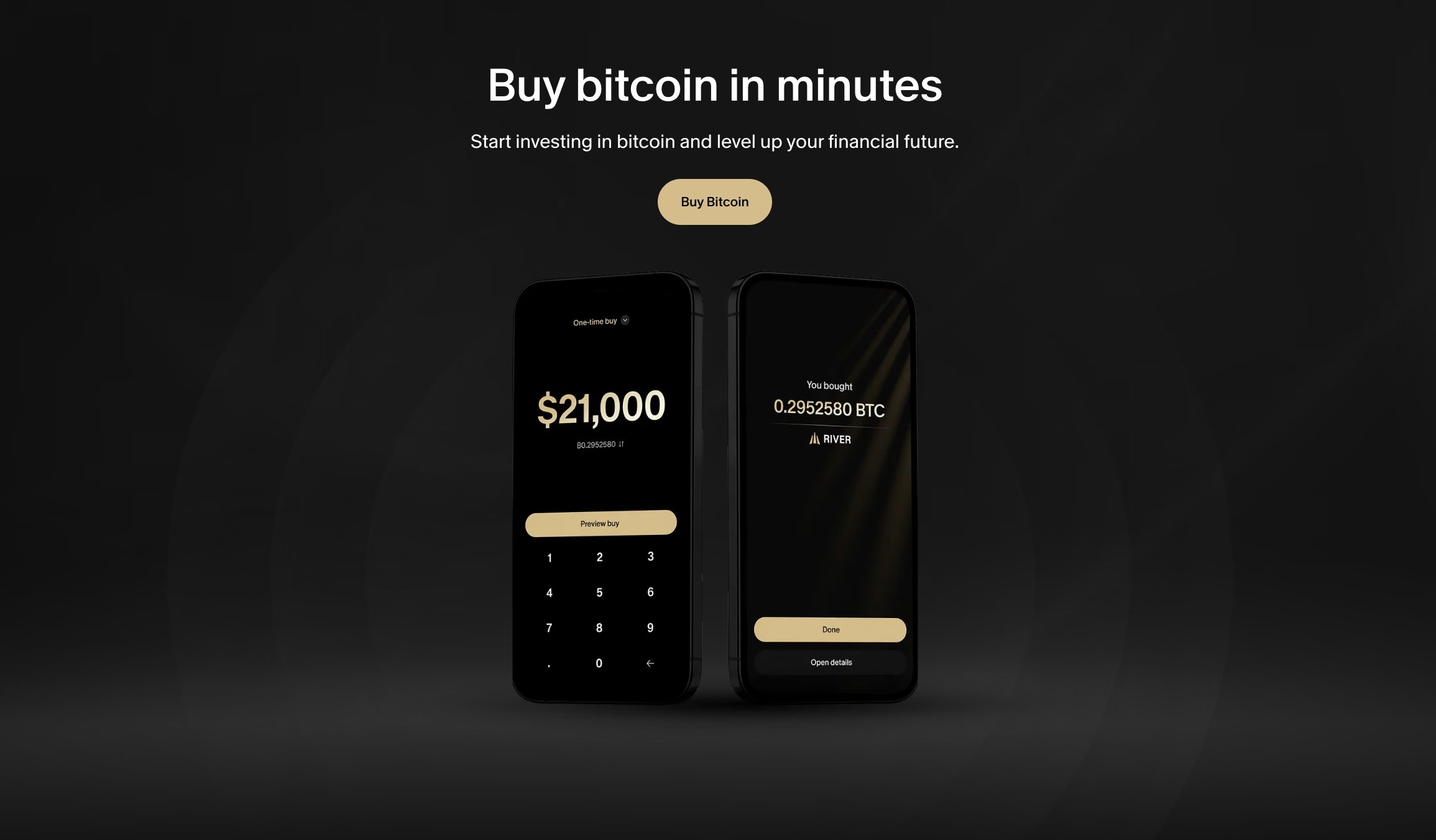
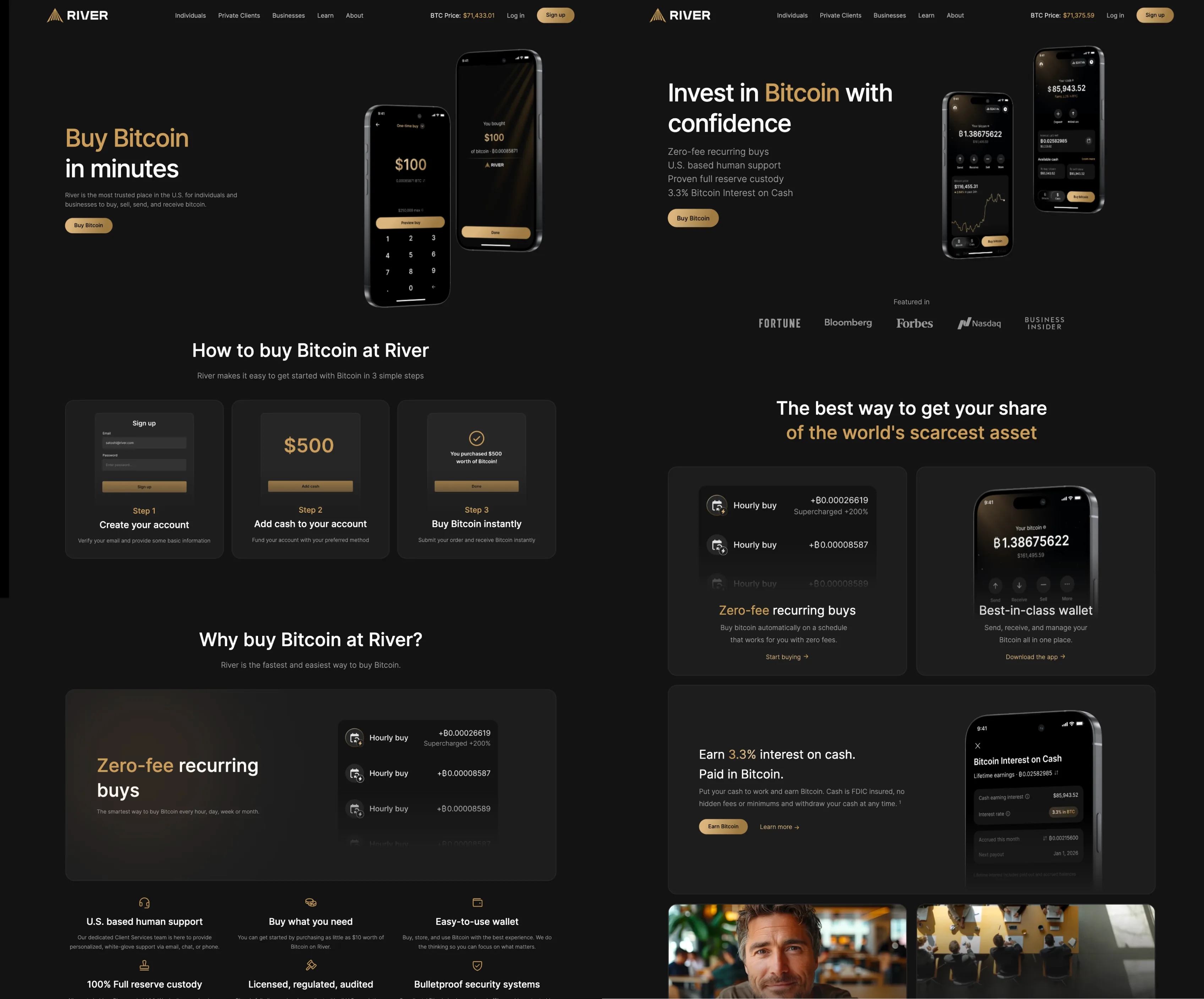
River's marketing website
Building the world's most trusted financial institution
NASA ICE-2 SlideRule
Surfaced scientific evidence through a data processing tool
Salesforce Plus streaming services
Increased scannability and engagement with a card system
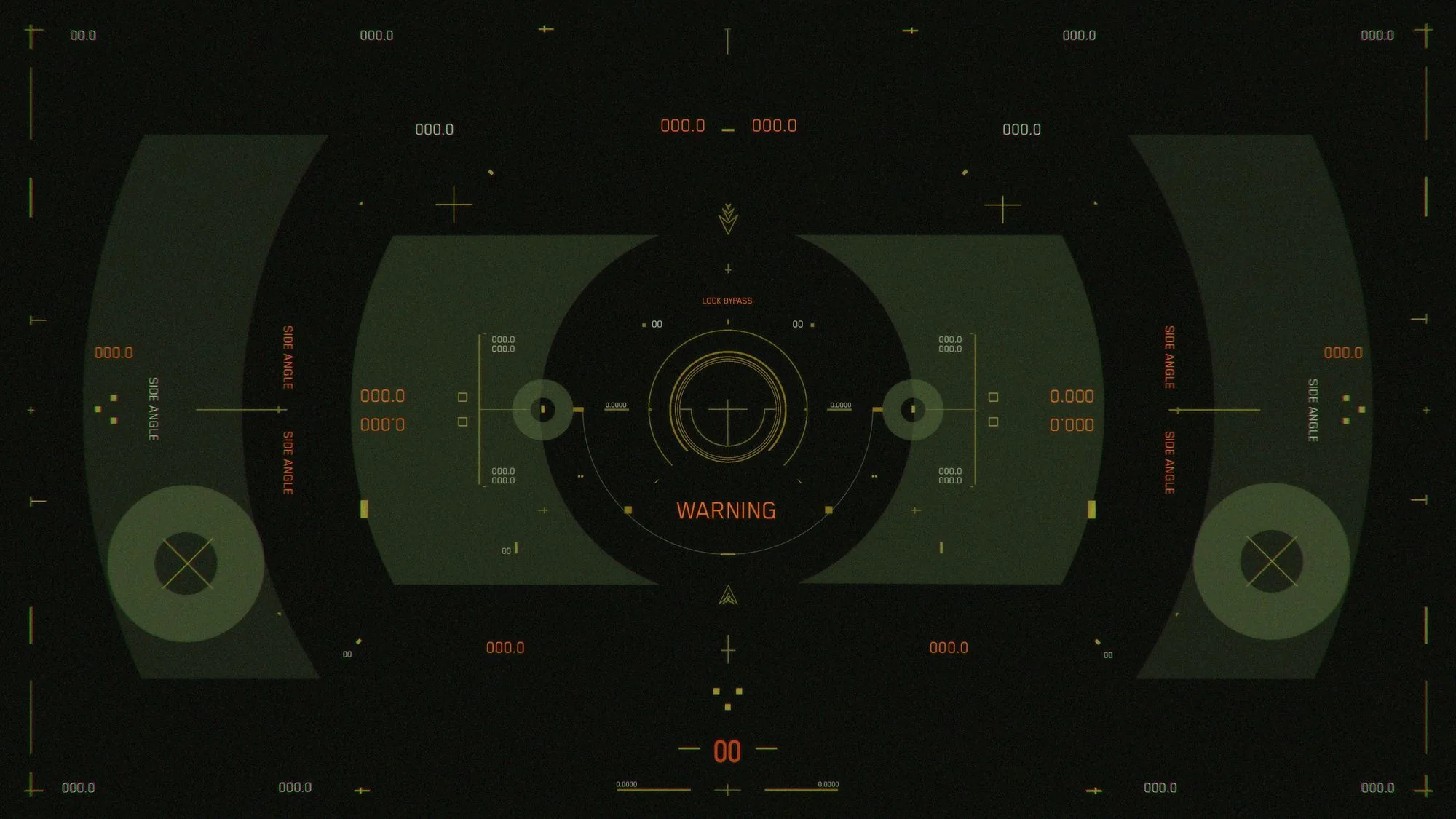
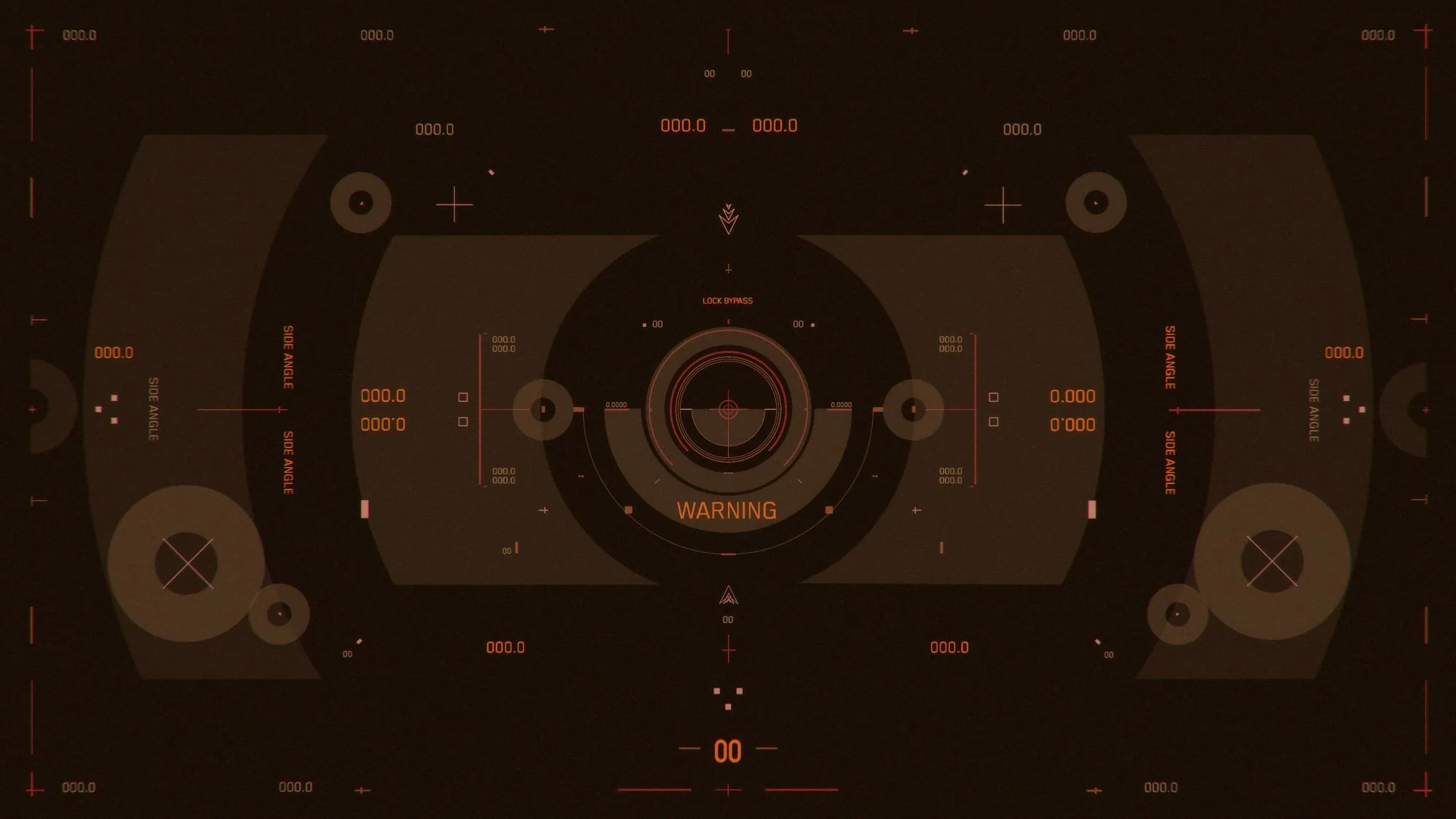
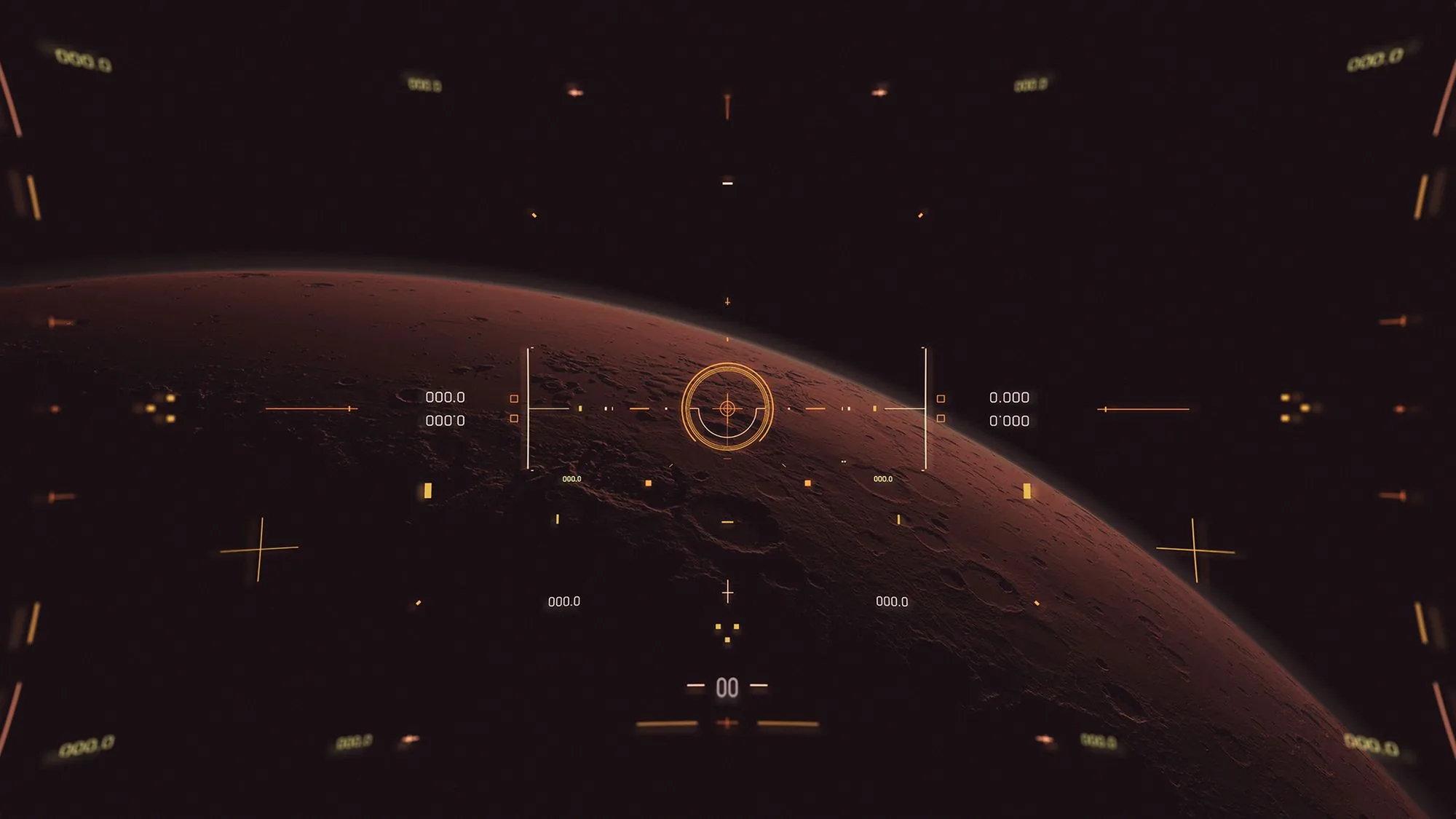
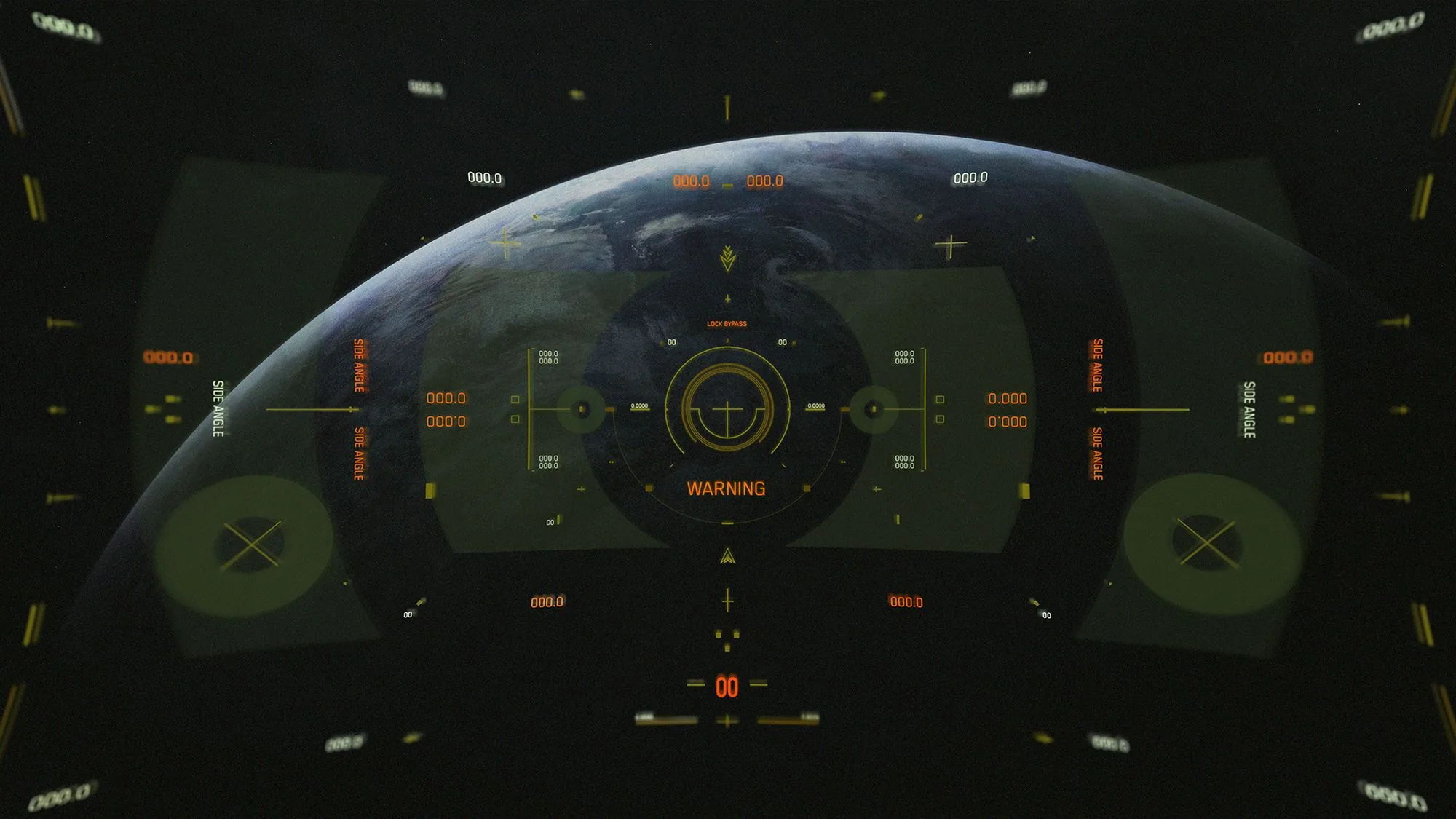
Mars Rover - Esque
An immersive HUD/FUI concept for storytelling
Peloton Just workout mode
Enabled workout tracking in offline environments

I'm a product designer working on experiences from acquisition to activation to engagement to drive business growth

With a background in UX design and my own interest in the financial sector, I enjoy turning complex information into experiences that feel trustworthy and delightful.


Before joining River's product team, I worked as a web designer, UX strategist and chemistry lab assistant. I've had the pleasure of working with clients across a range of fields in the past.


ICESat-2
River
Peloton
Salesforce+
Housewell
Second Nature
Startup
Glencore
Instrument
Electric Air
River sign up redesign hero
River’s sign up redesign
Streamlined the onboarding journey to first buy
For
river.com/signup
Duration
7 months
Responsibility
Product design
Platform
Desktop, mobile web
Date
2025–2026
Problem

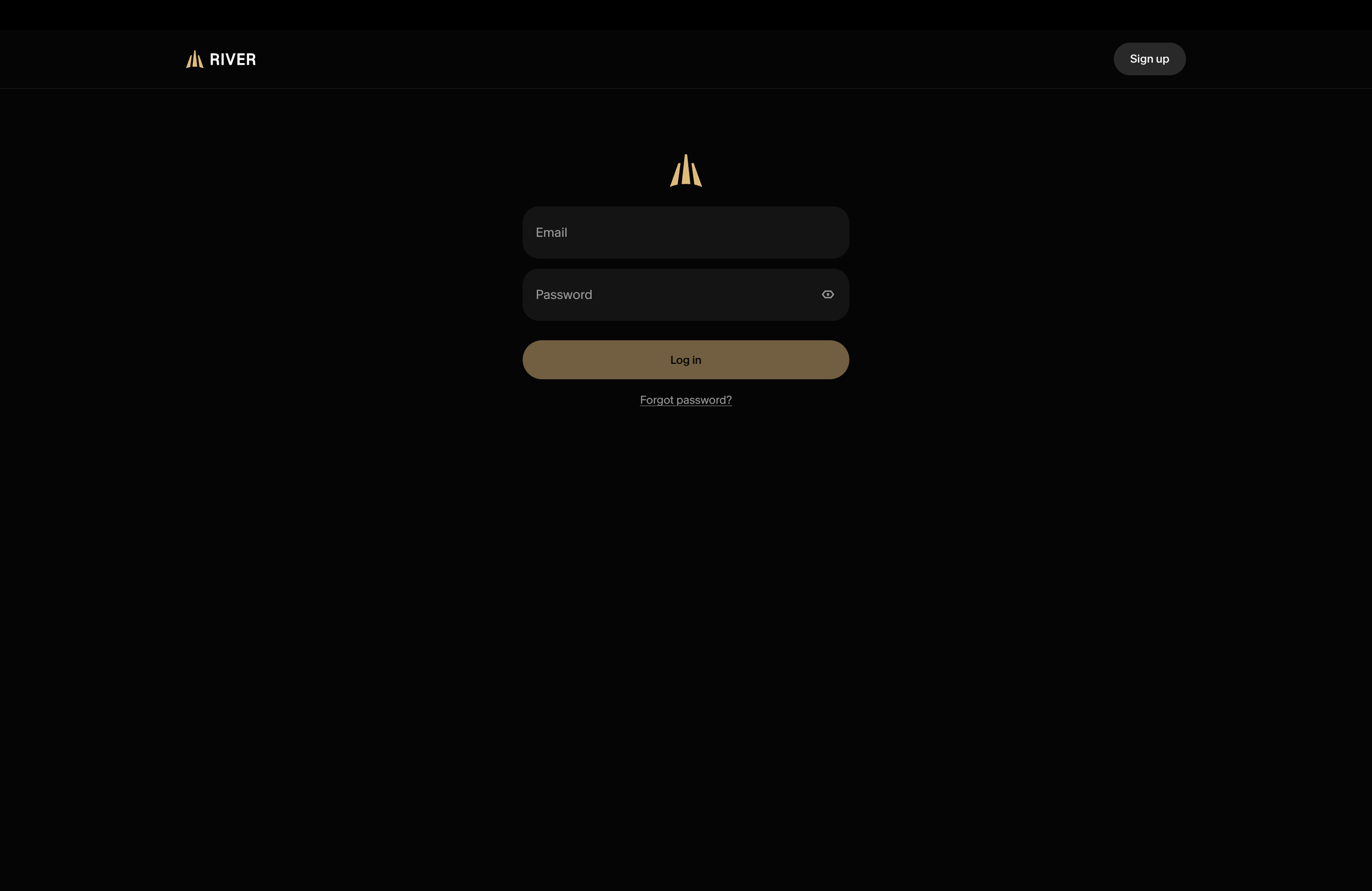
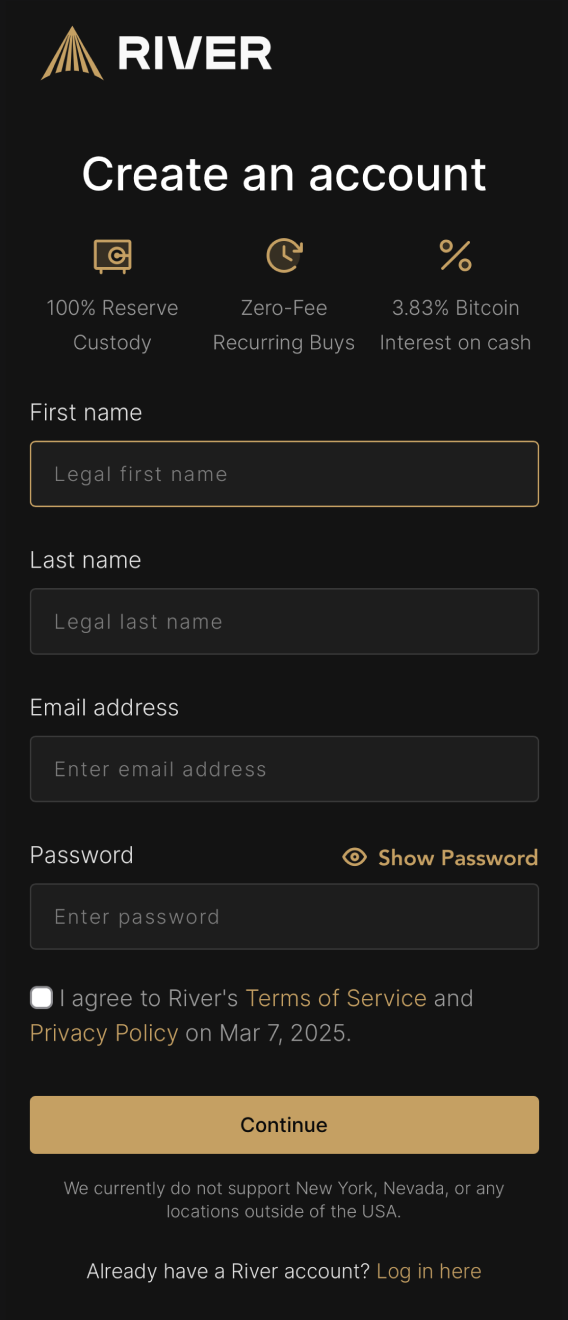
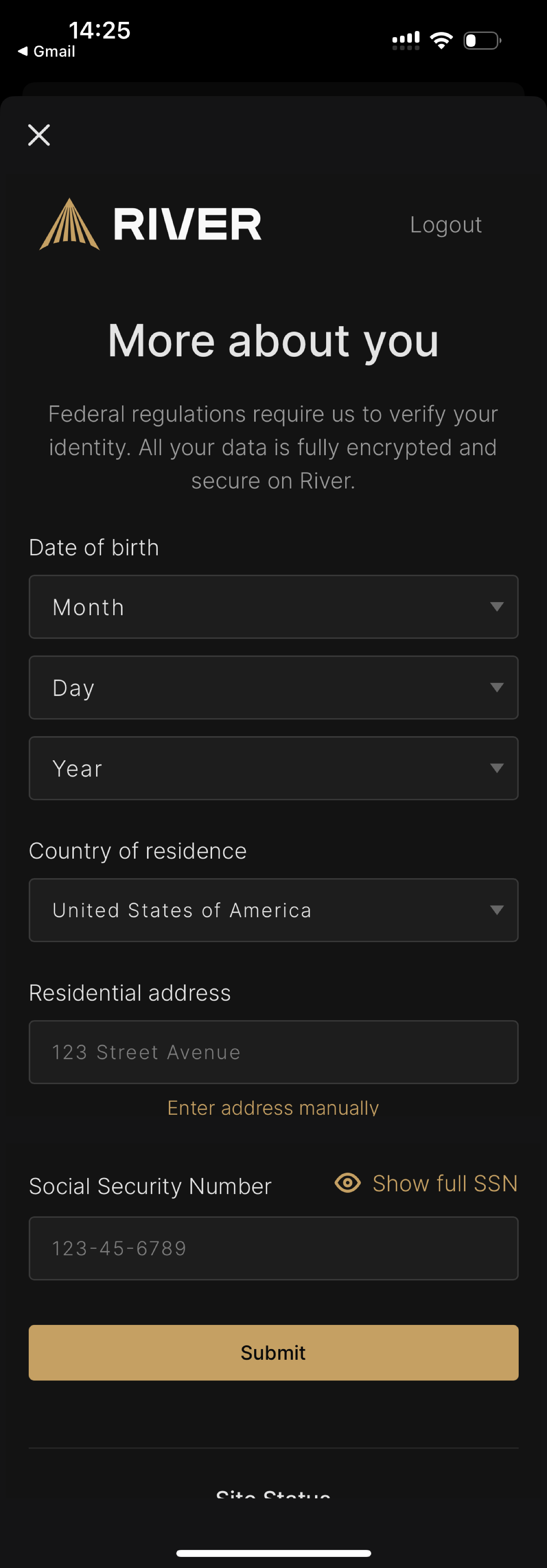
The previous sign up flow squeezed every question into just three steps. On paper it looked short, but each step carried four or five inputs at once, which made the experience hard to digest. Instead of feeling digestible, it felt heavy, information overload right at the moment clients were deciding whether to trust us, and that showed up as a high drop-off rate before they created their account.
The copy didn’t help either. It read robotic and transactional, which put distance between River and the client. For a product where the whole goal is to feel trustworthy, the onboarding ended up feeling cold and bitter.
Old sign up — create account
Old sign up — more about you
Design

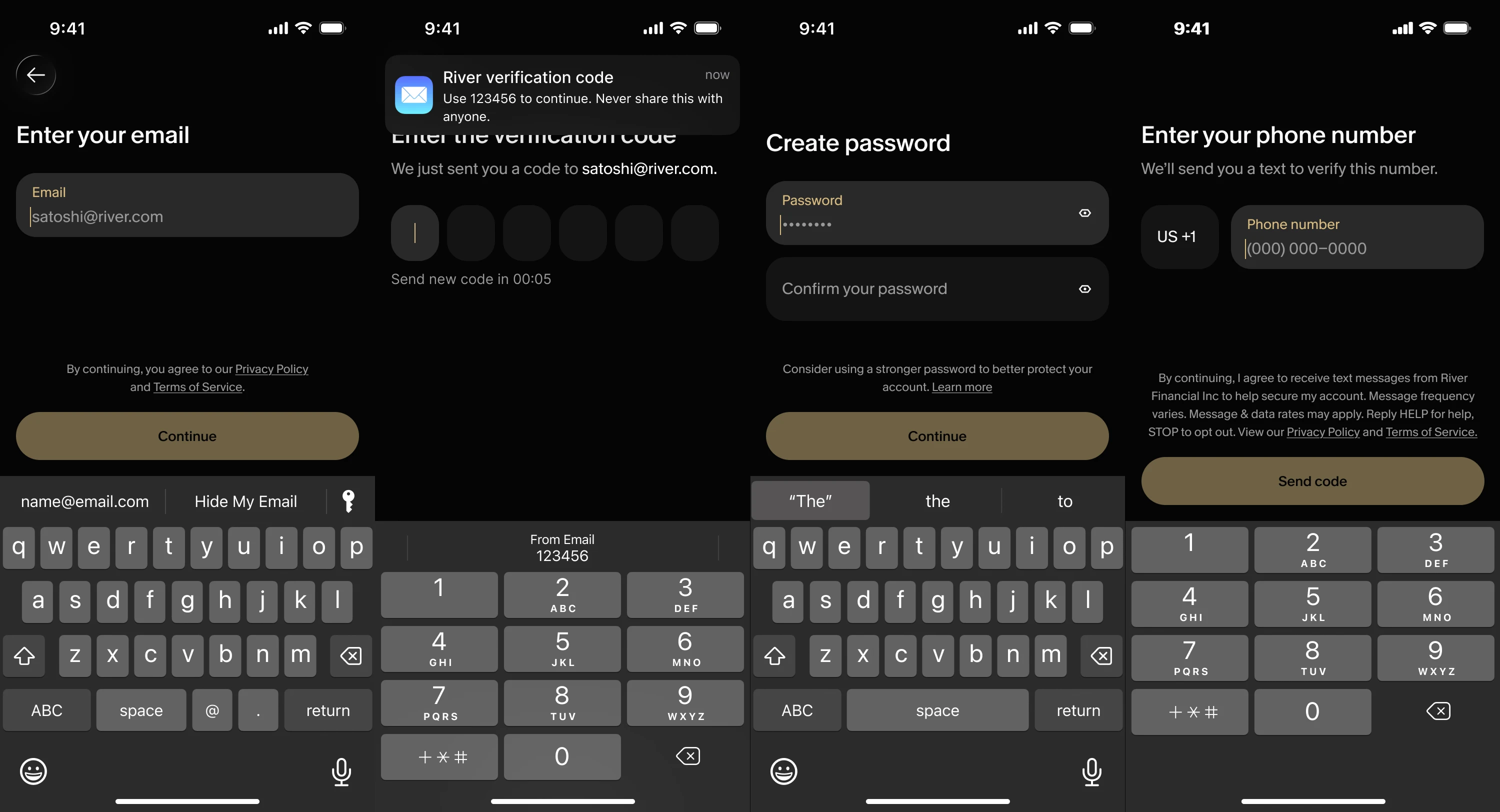
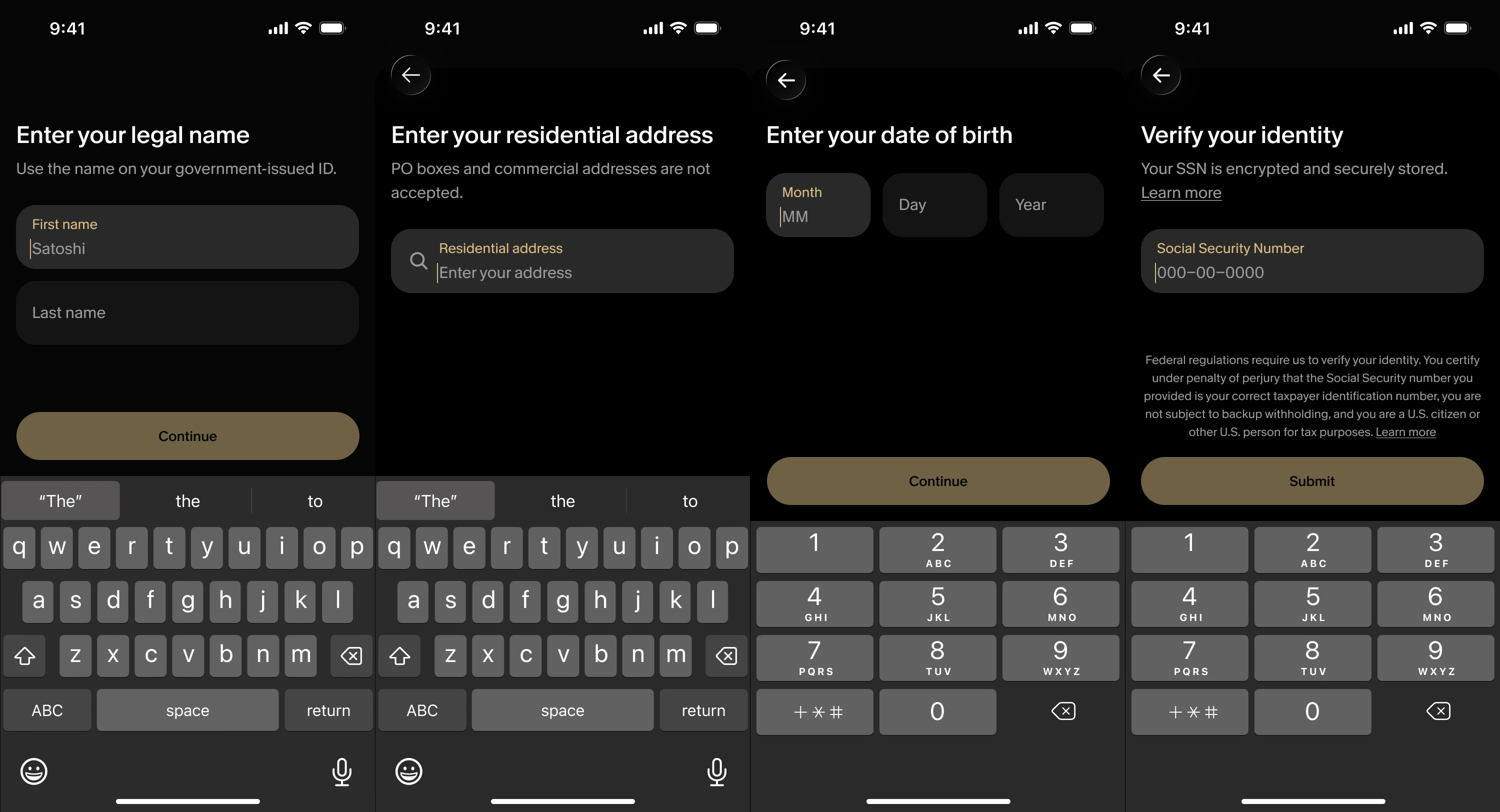
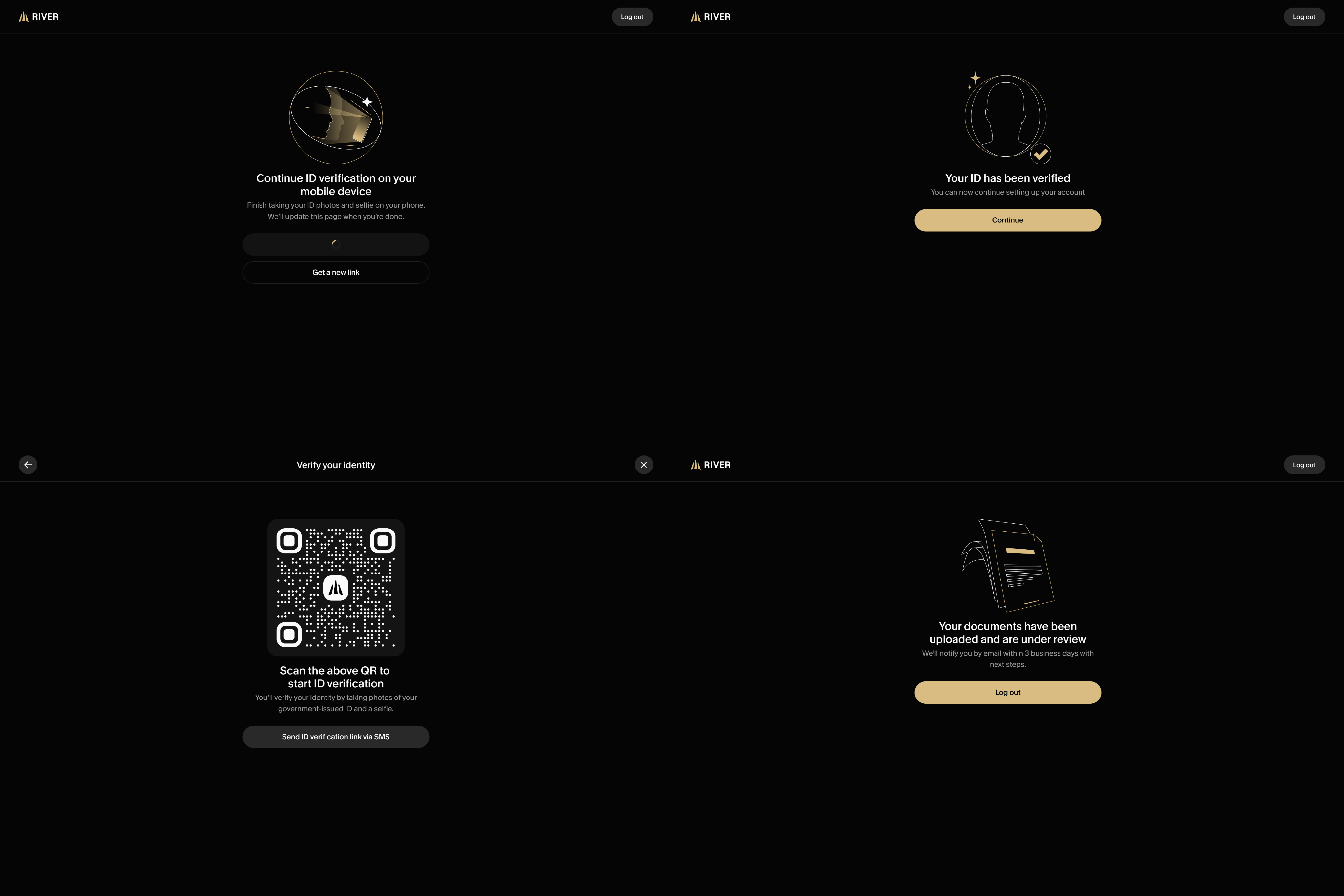
On the design side, I broke the flow into a more natural, conversational experience: asking for the information at the right moment instead of all at once. The journey moved through three phases: creating the account, verifying the login information, and collecting PII. Each step asked for less, so progress felt steady instead of overwhelming.

I also rebuilt the input experience; inputs now validate well as clients type, addresses are found through search instead of manual entry, and area code and state are handled with dropdowns rather than free text. Small changes, but together they made each step feel faster to clear. The whole interaction should feel snappy, easy to keep moving, so crossing the finish line of onboarding never feels like work.

Design — account creation flow
Design — PII collection flow
Challenges

The first was technical. The sign up flow needed a full overhaul: the engineering team put in serious effort to retire the old LiveView stack and rebuild everything in React. That rebuild let us equip the flow with a state machine, so clients can move back to a previous step whenever they need to. At the same time, we were in the middle of a brand redesign, which meant every screen I designed had to keep pace with evolving fonts, styles, and components, and stay consistent as the brand itself was still changing underneath us.

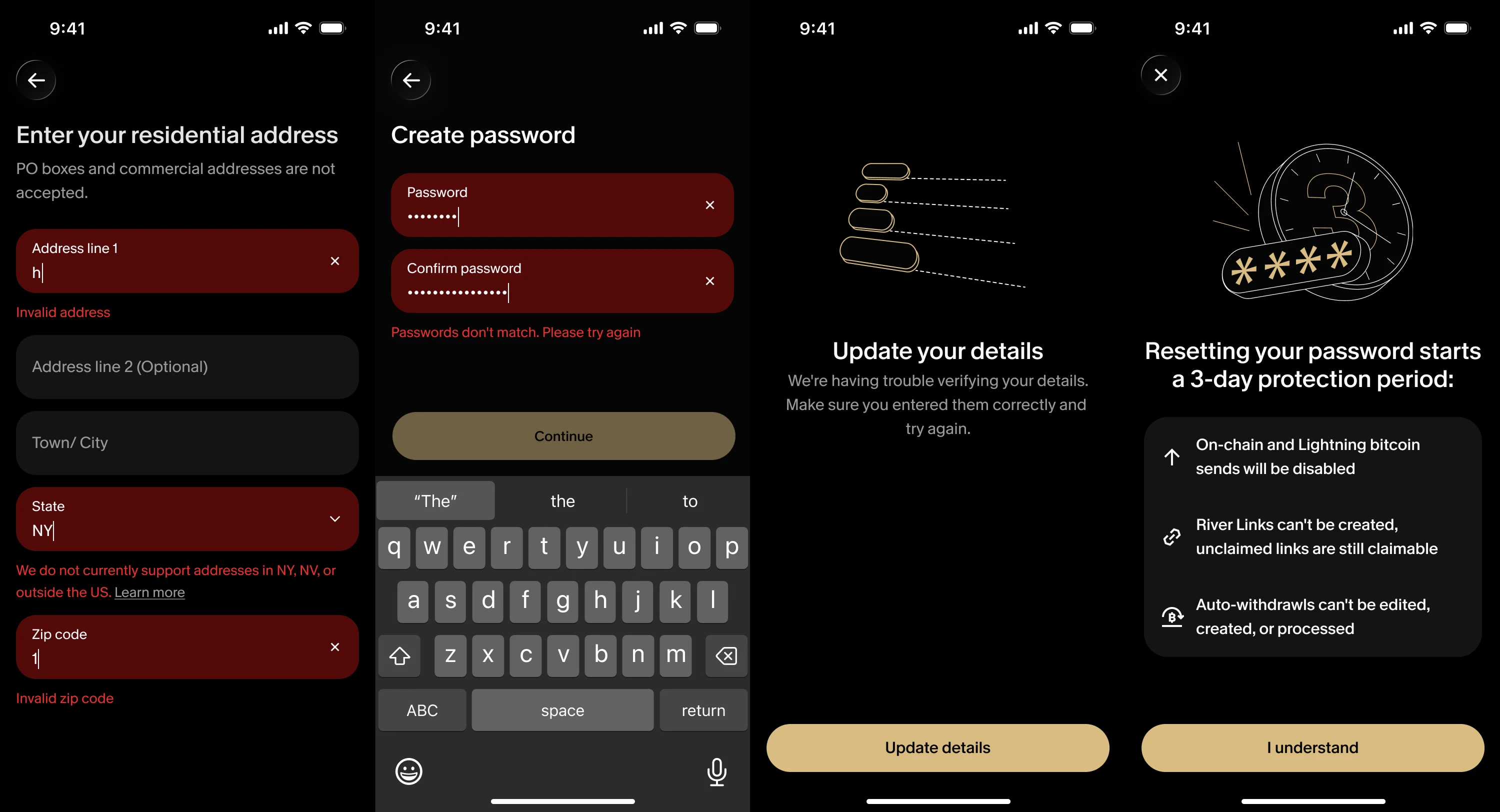
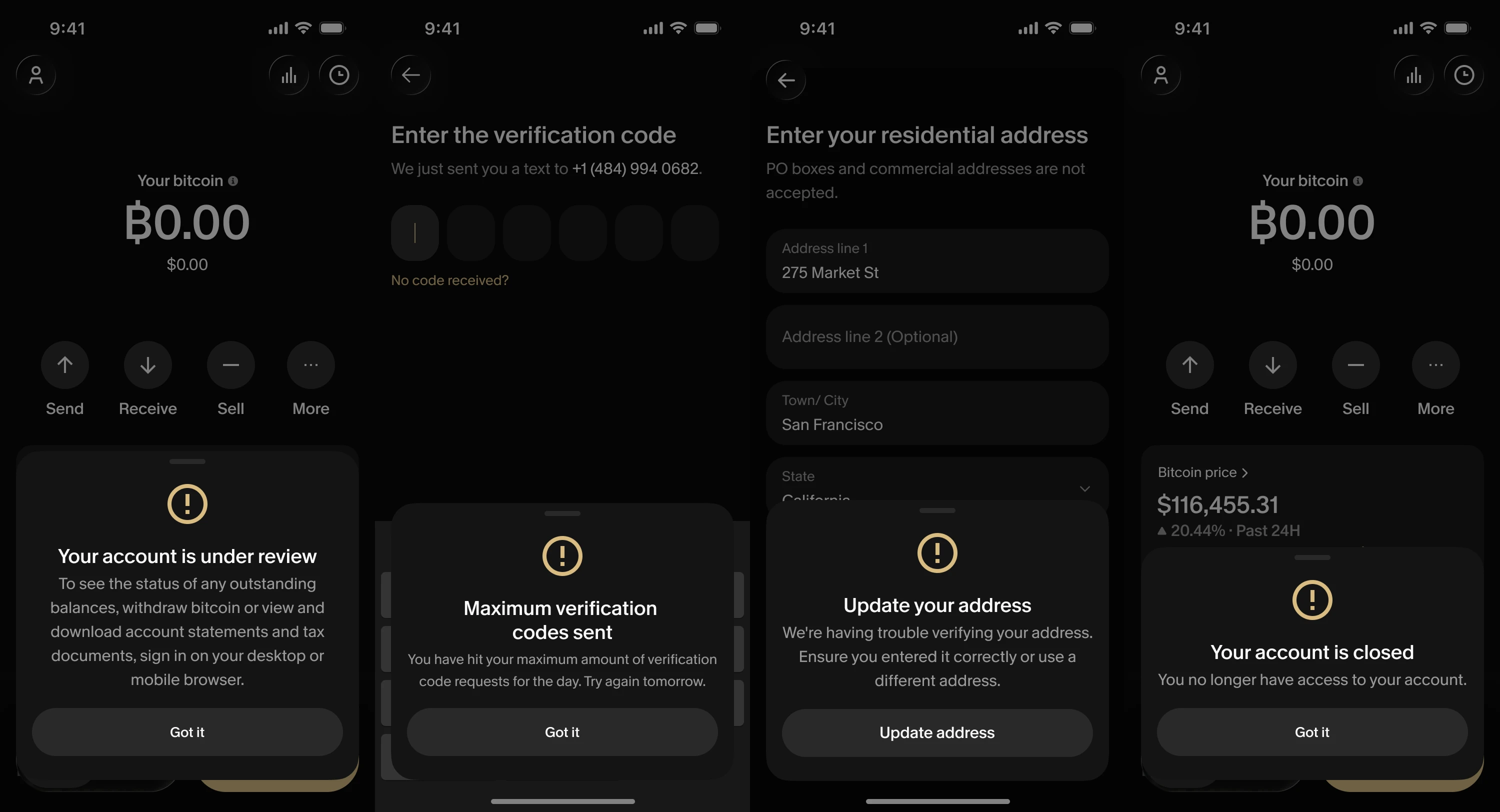
The second was the sheer number of edge cases. Onboarding is full of them: what happens when a client’s identity can’t be verified, when they hit an age limit, an SMS limit, or a password rule, when an address doesn’t meet requirements. Each path had to be investigated and designed for, so the experience stayed clear and trustworthy no matter where a client landed.

Challenges — validation and errors
Challenges — edge cases
Next step

We’ve just shipped the mobile web experience, and the native experience is on the way. Working alongside brand and marketing, I’ve been shaping the details that make native feel more delightful and snappy: the logged out experience, animations, custom illustrations for identity verification, a notification upsell, and a Face ID upsell etc.

We’re also exploring moving identity verification earlier in the journey. If a client completes IDV up front, they could skip the PII steps entirely and shortcut straight to the home page turning verification from a hurdle into a fast lane.

Next step — native experience
Mars Rover Esque hero
Mars Rover – Esque
An immersive HUD/FUI concept for storytelling
For
Fun, tool learning
Duration
2 months
Date
2019
Concept

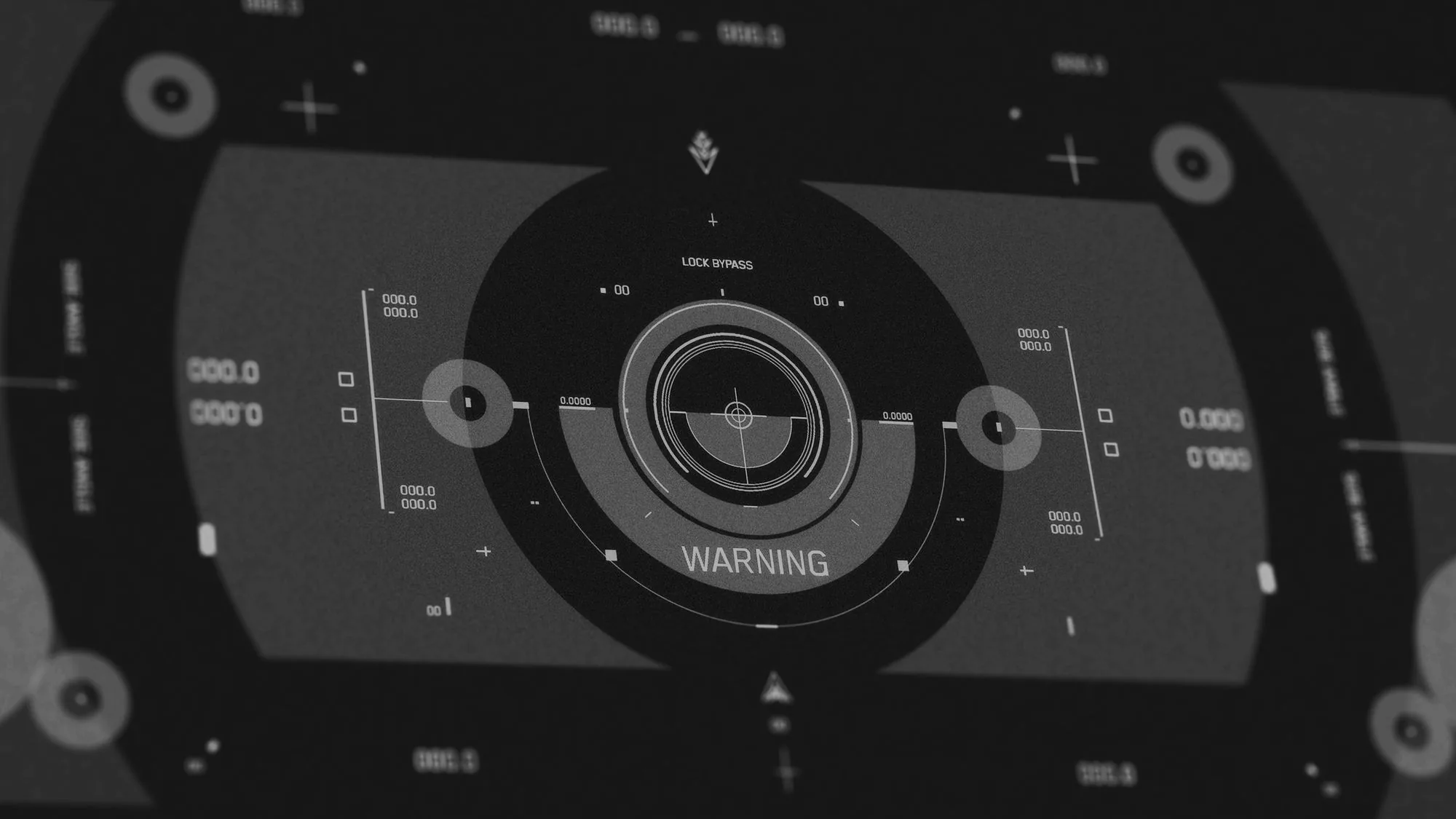
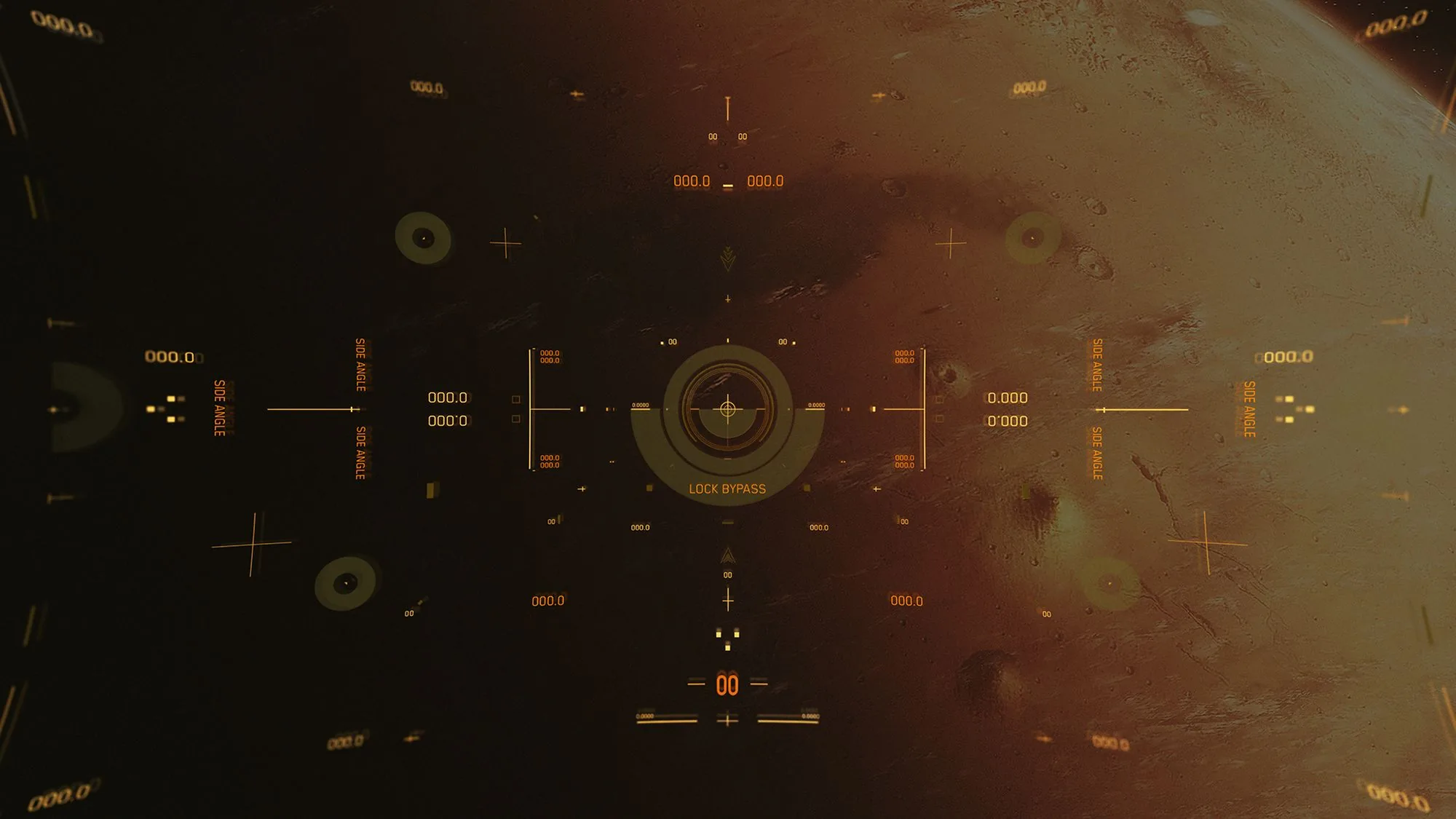
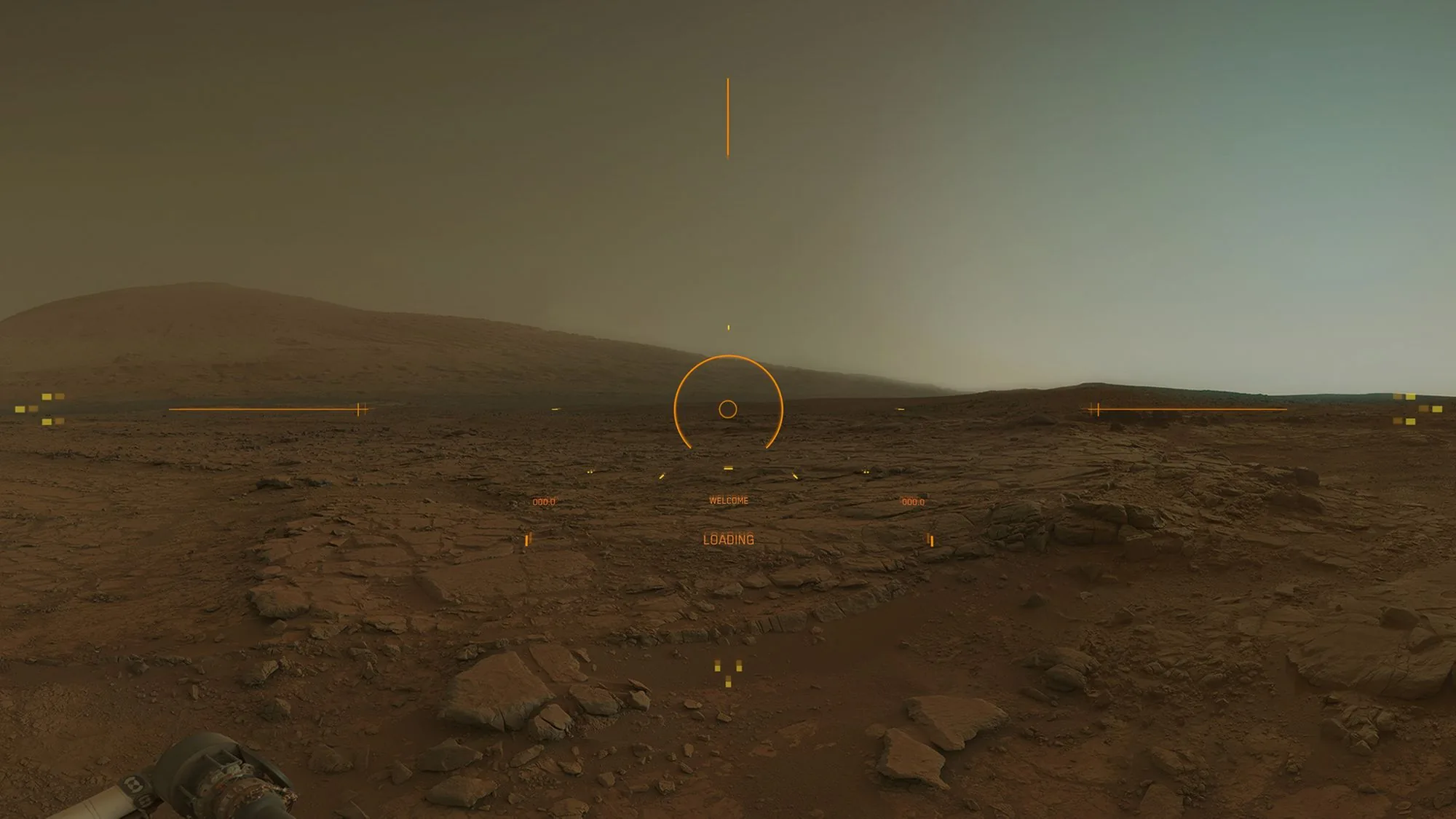
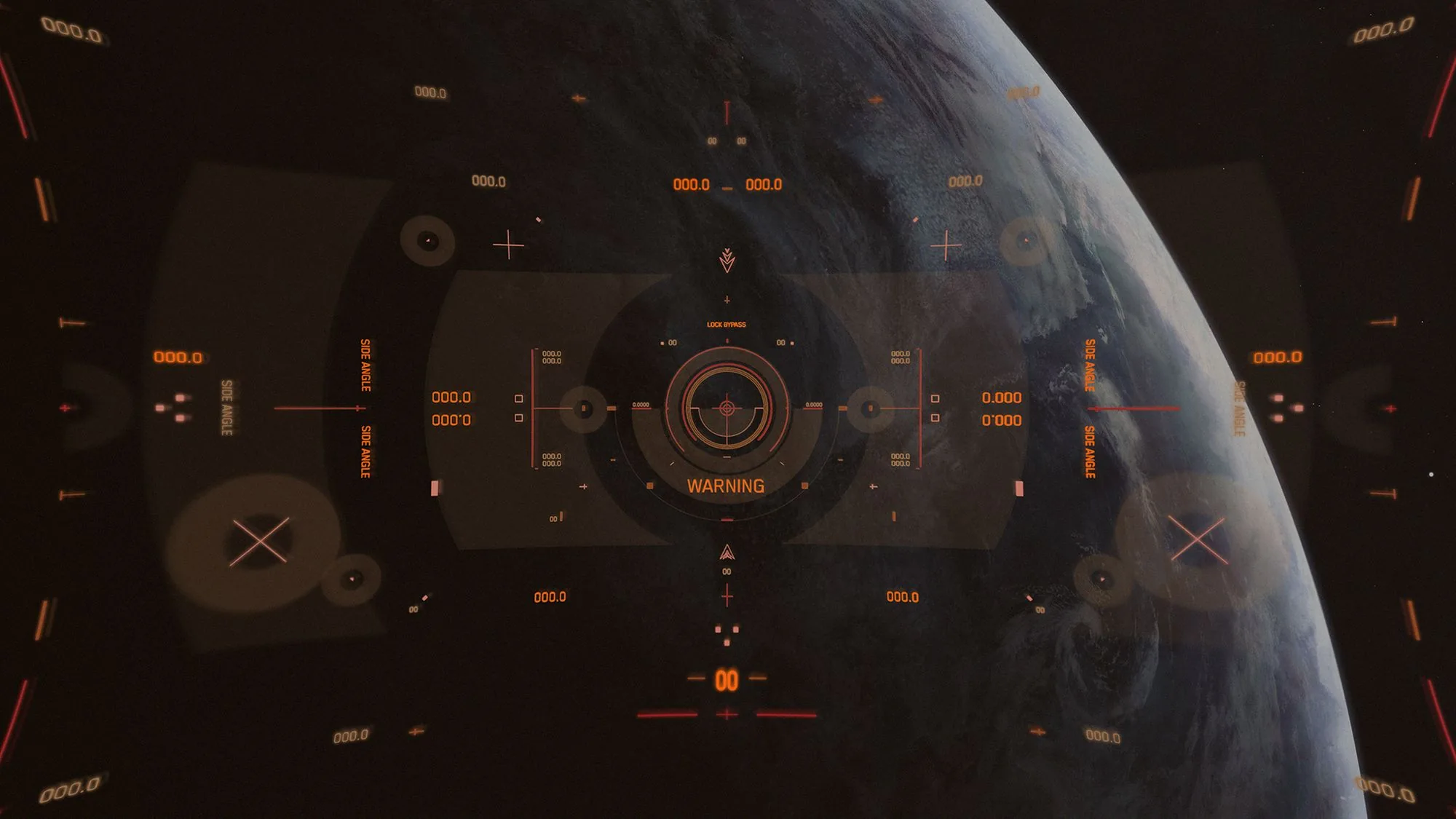
The concept simulated a HUD/FUI system adapting to different situations while a Mars Rover is inbound to Mars. It starts from the pilot’s perspective, enhanced with visual elements in various stages of each interface design.

Each design serves a specific purpose to surface situational information and data to help the pilot perform through a unified visual language.

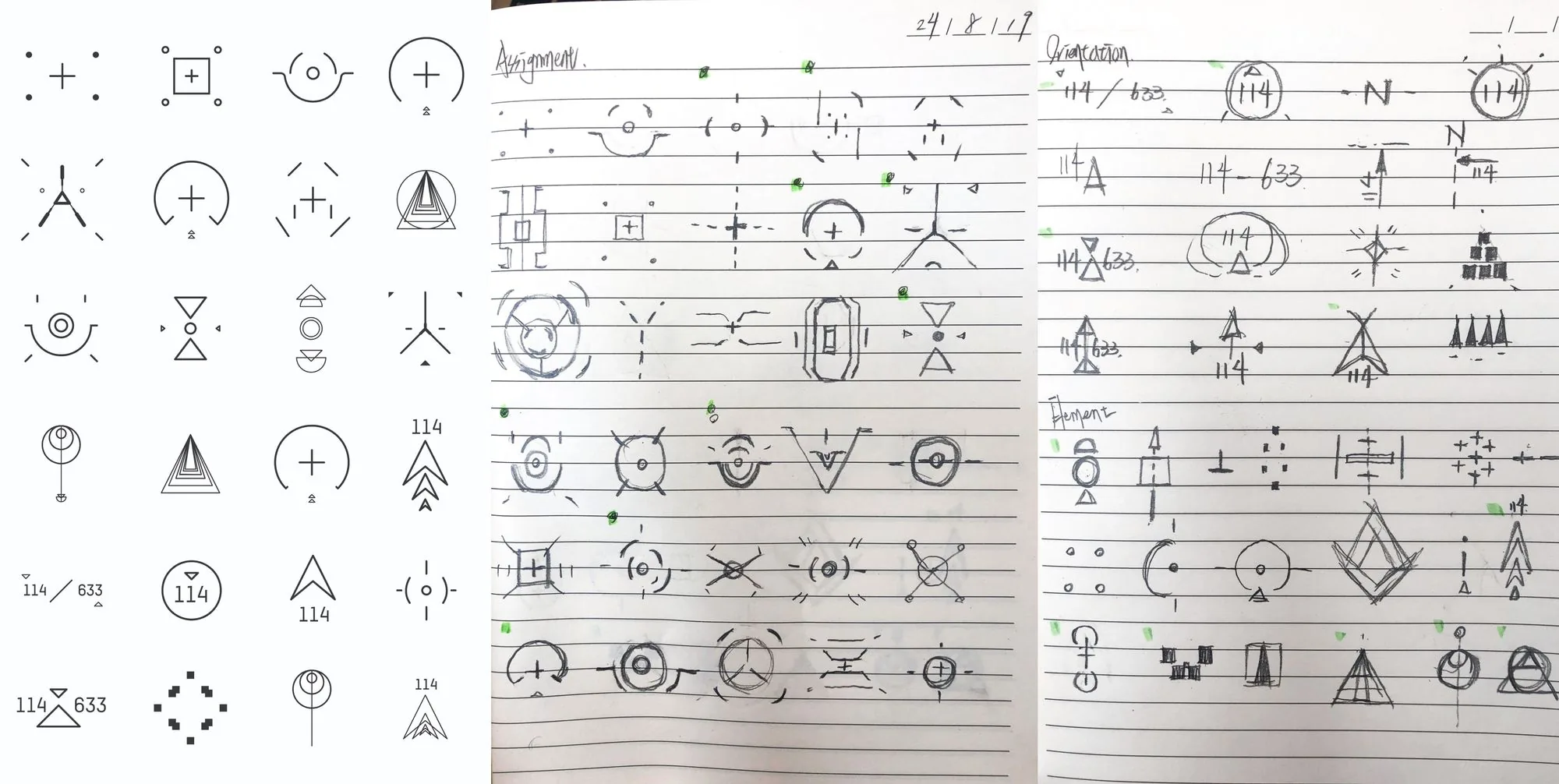
Asset development
Asset development
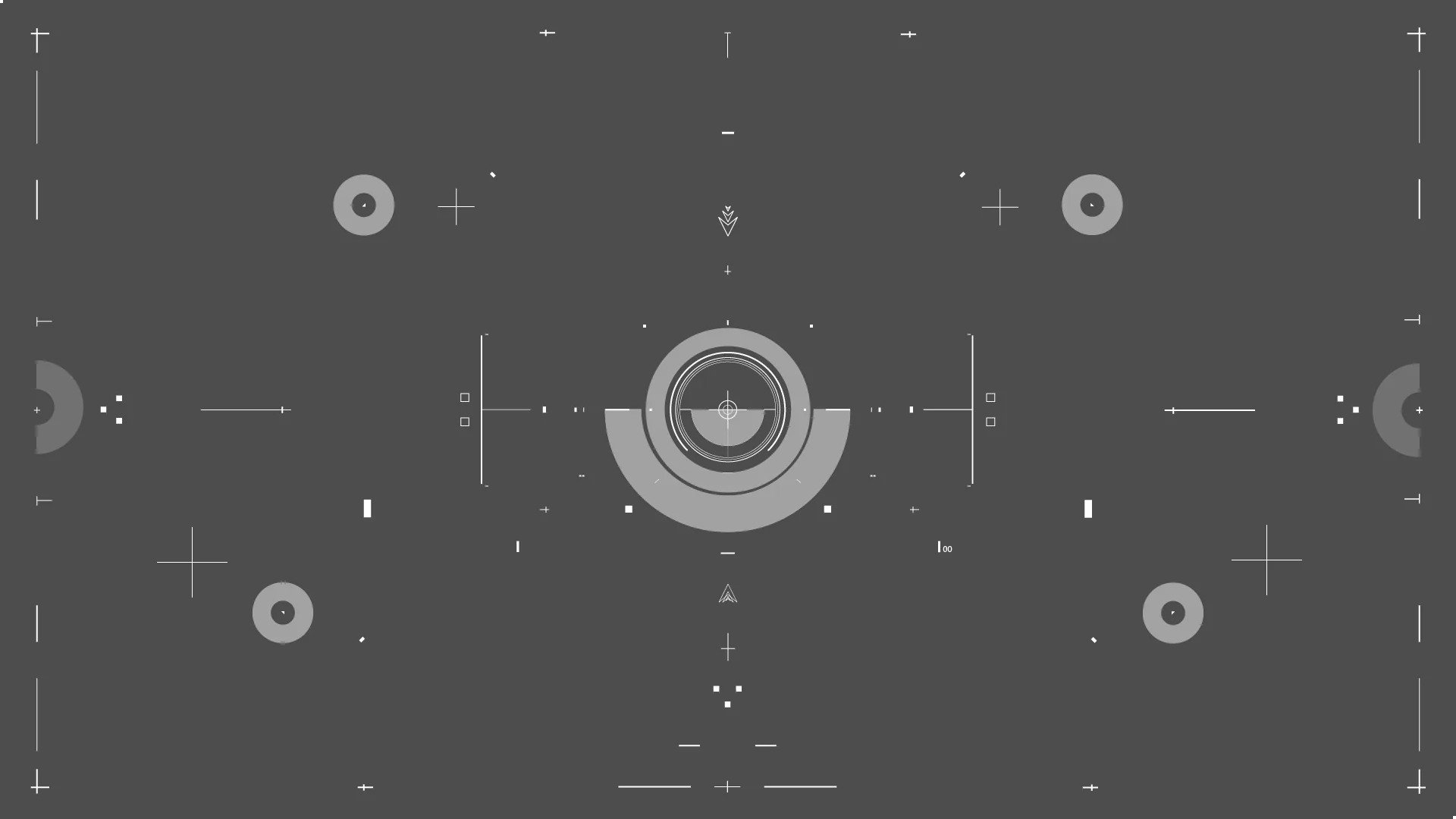
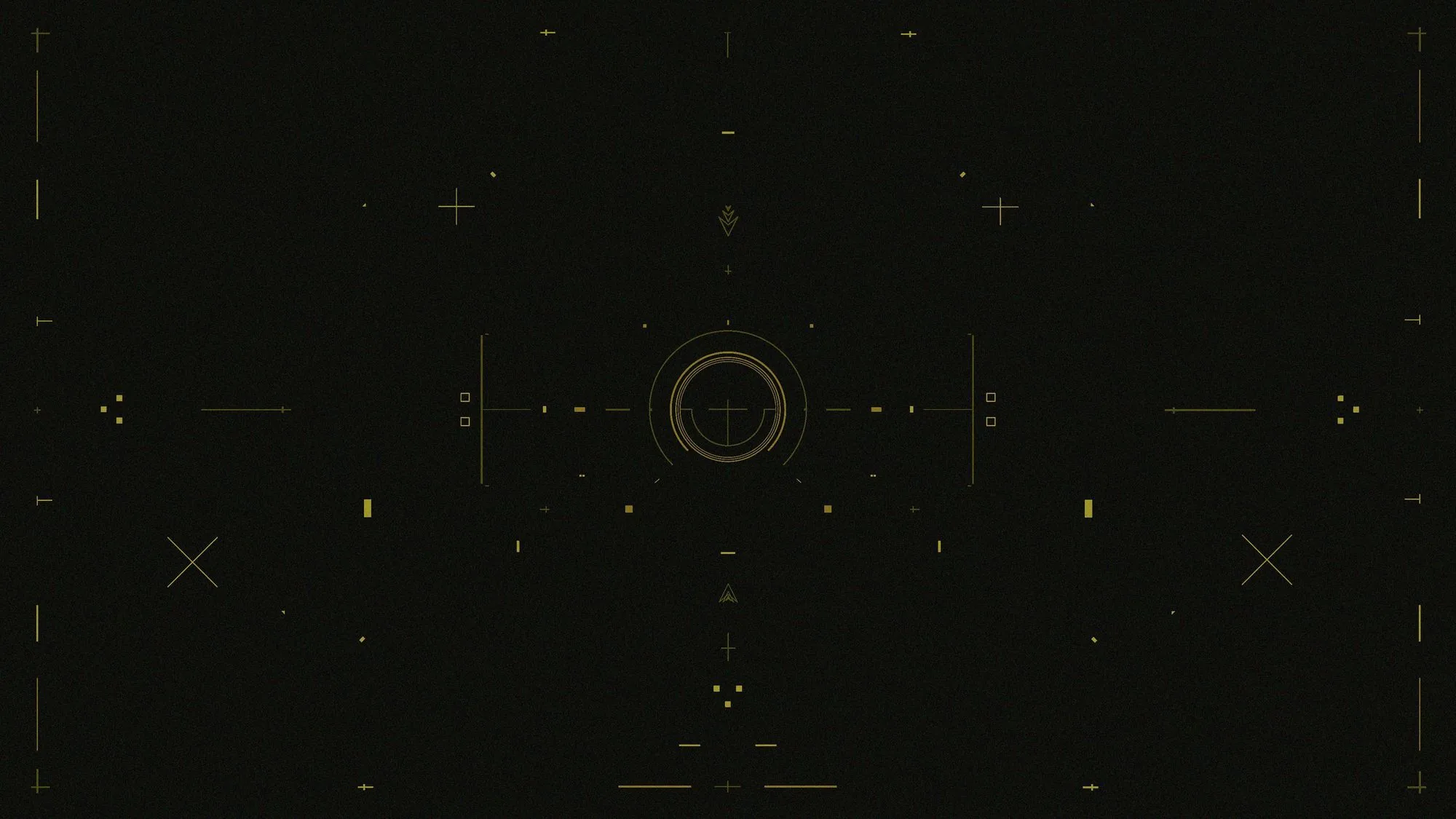
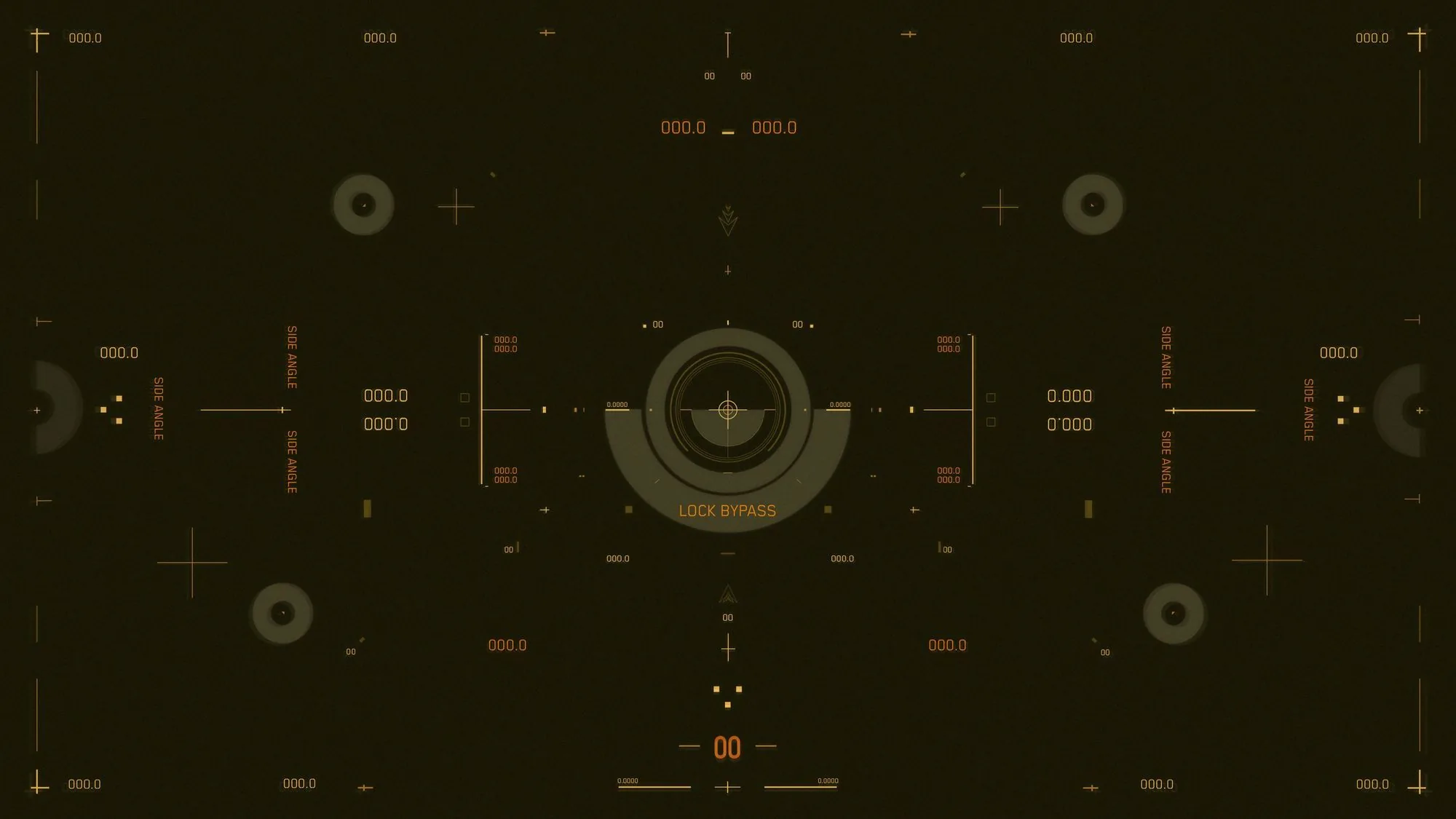
Tier System
Tier 3
Tier 3 (full on)
Tier 2
Tier 2 (with warming elements)
Tier 1
Tier 1 (foundational elements)
Mode
Loading
Loading
Cruising
Cruising
Landing
Landing
Inbound
Inbound
Error
Error
Salesforce+ streaming hero
Salesforce+ Streaming Experience
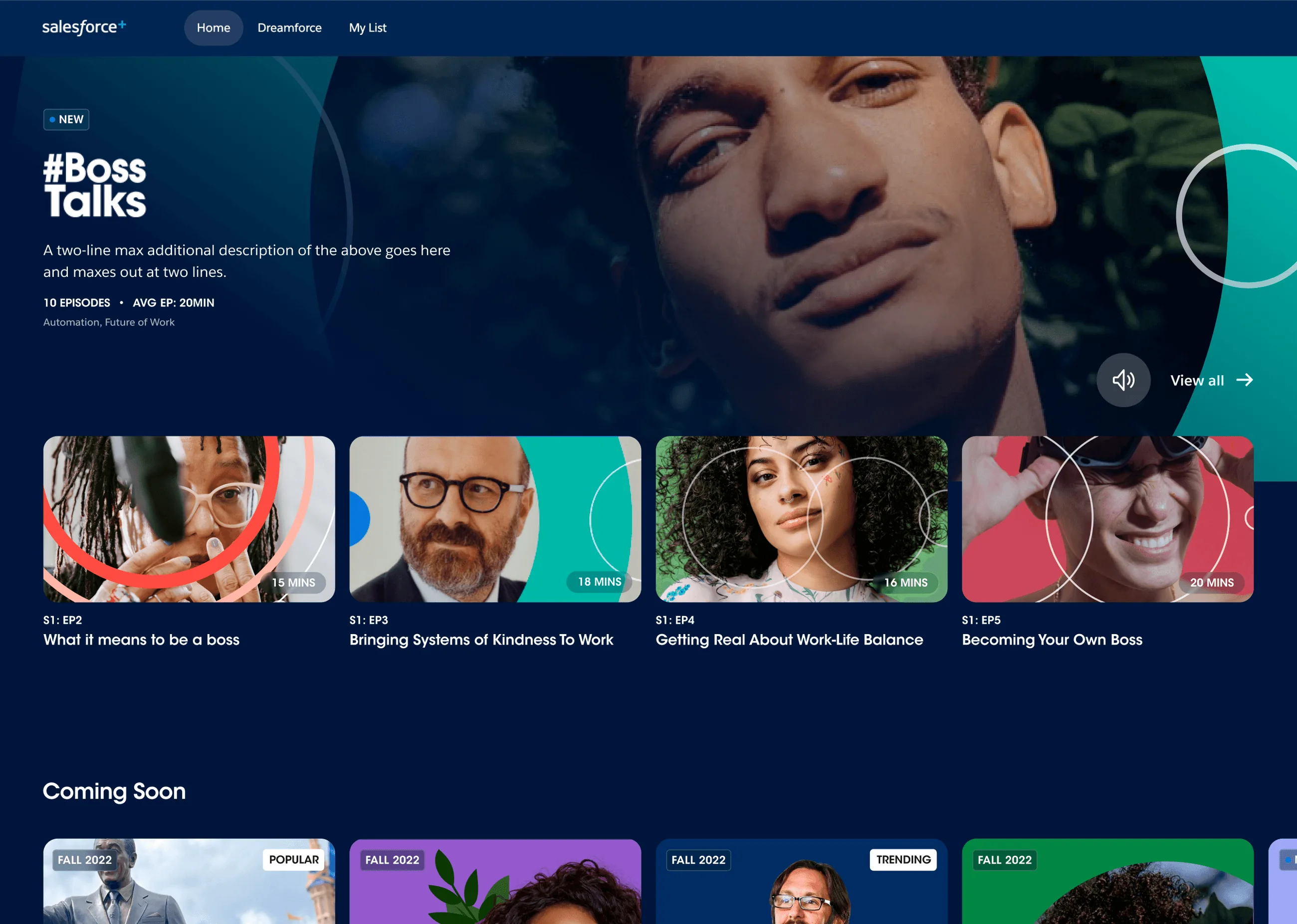
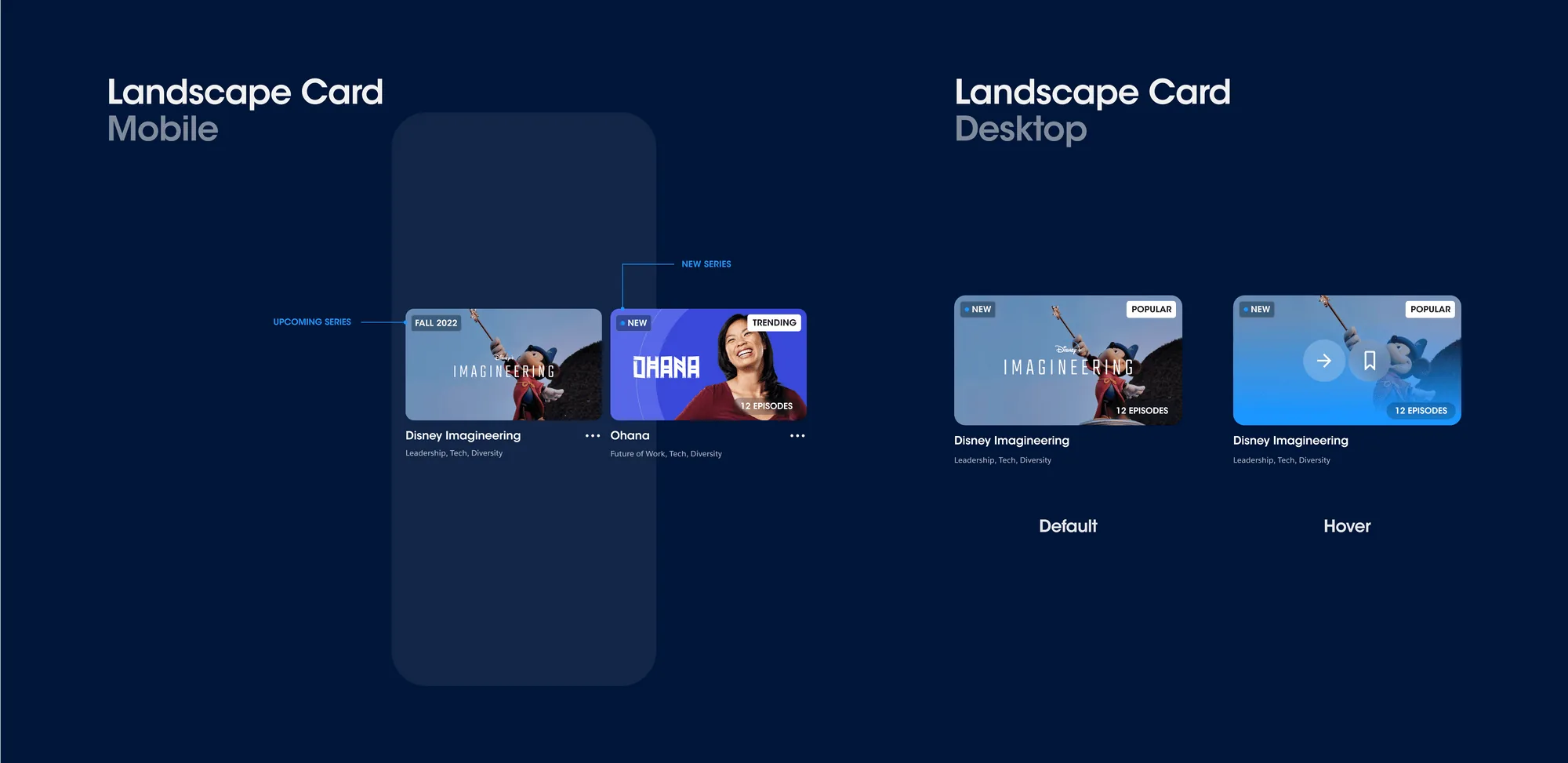
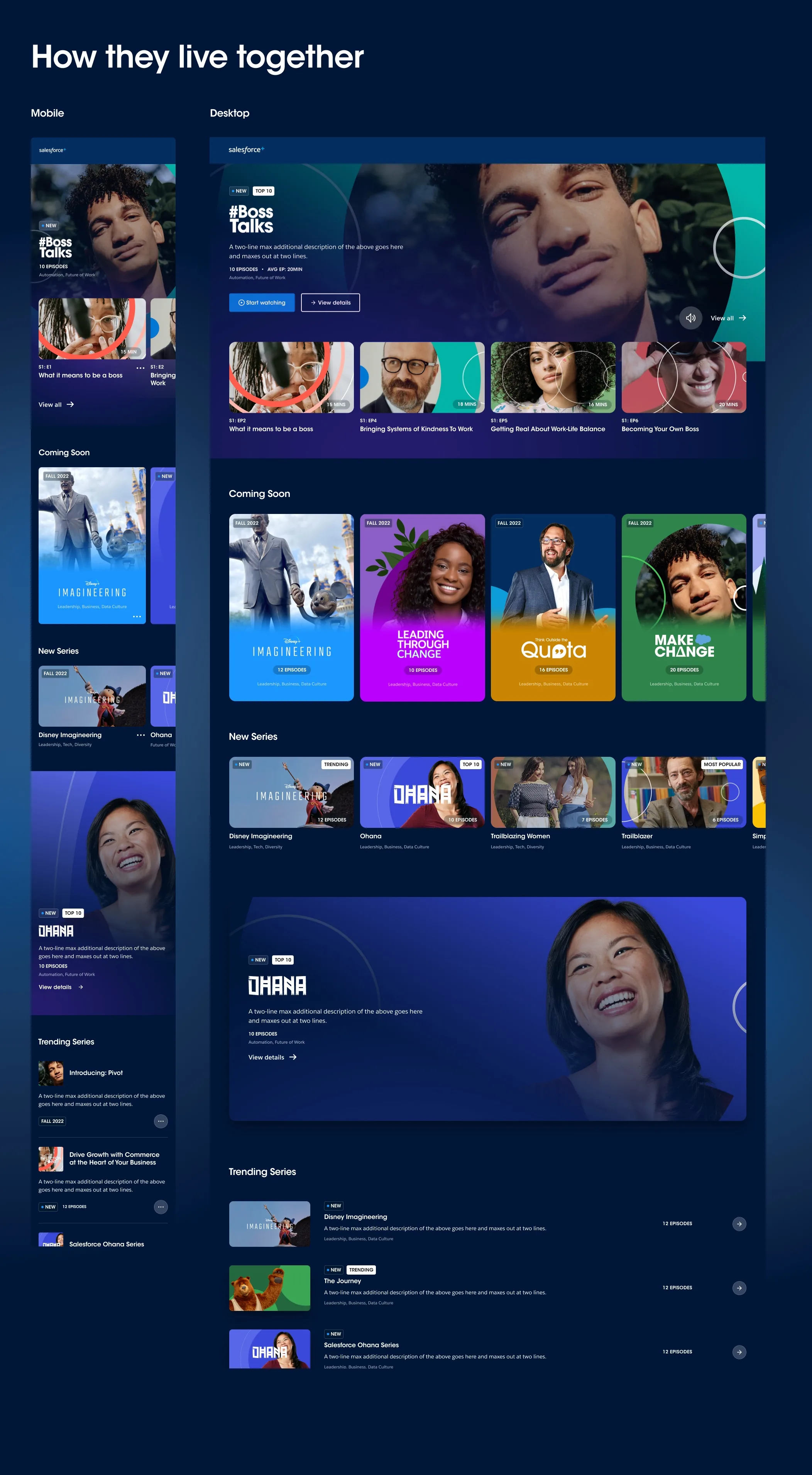
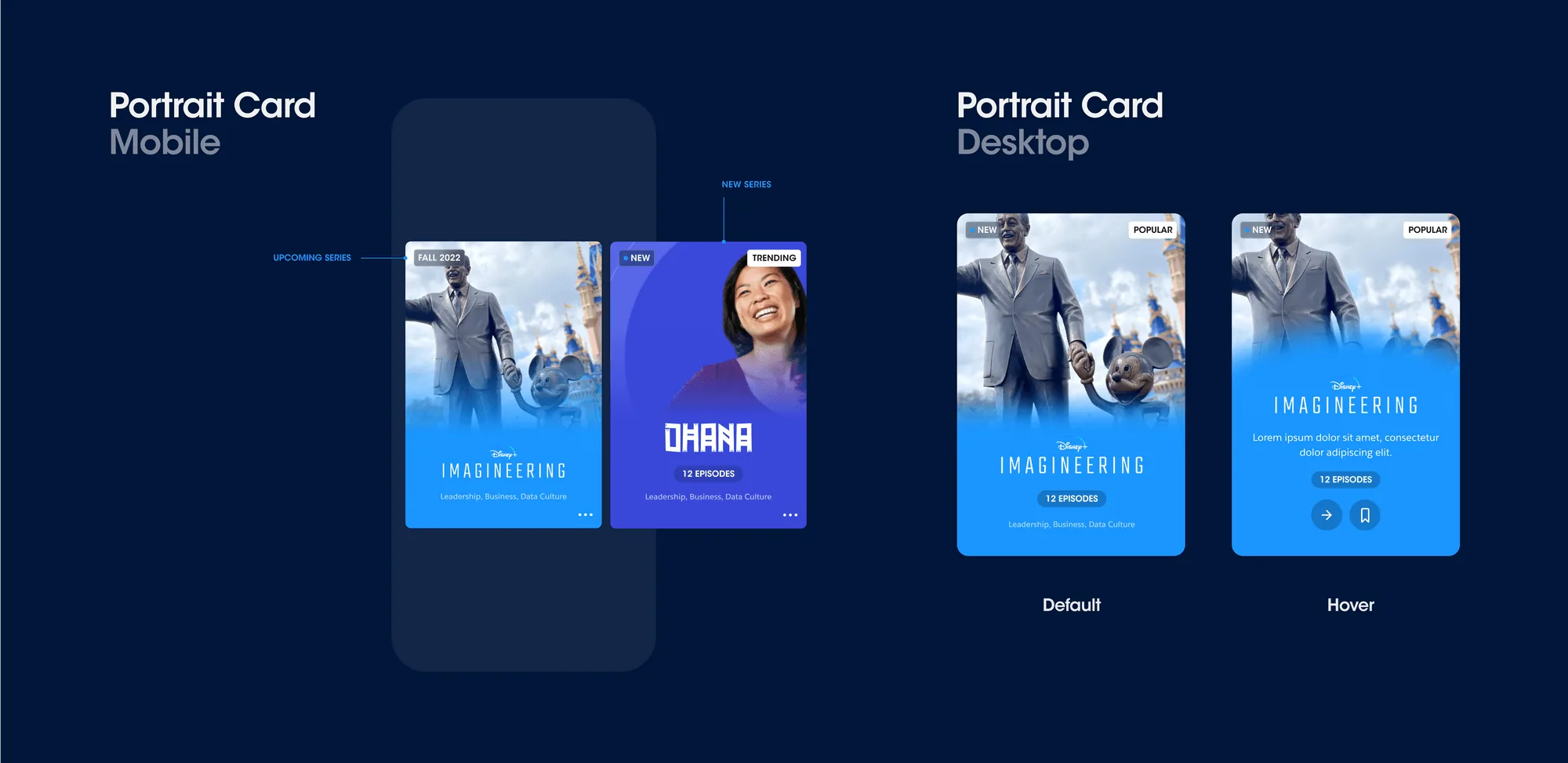
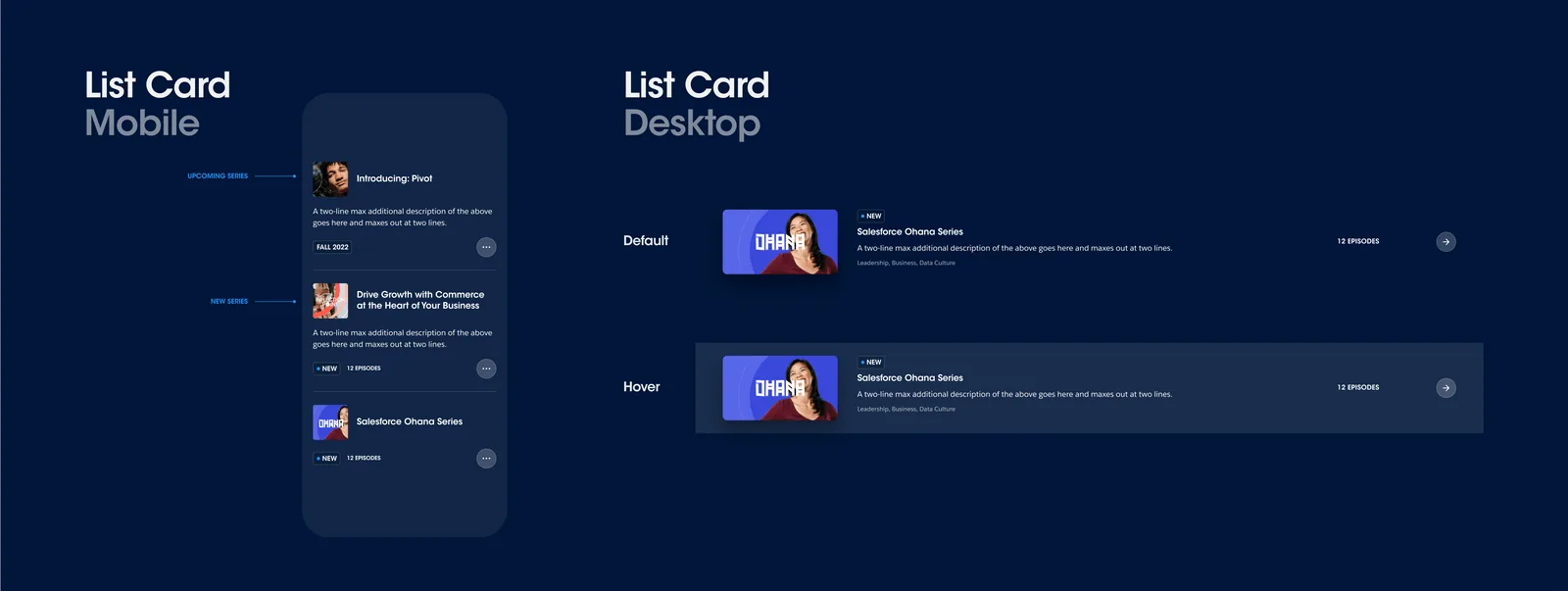
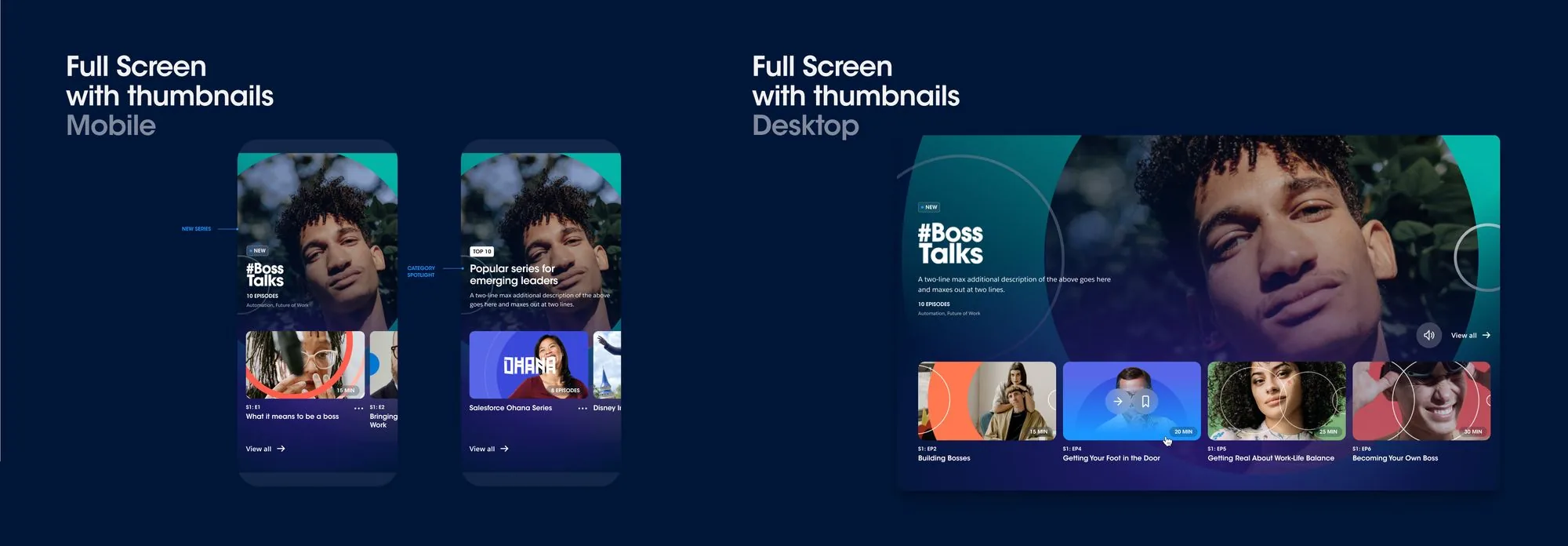
Increased scannability and engagement with a card system
For
Salesforce+ (Client)
With Instrument
Duration
3 months
Responsibility
UX Strategy
(Intern)
Date
2022
Design
Design 1
Design 2
Design 3
Design 4
Design 5
Peloton offline mode hero
Peloton Just Work Out Offline Mode
Enabled workout tracking in offline environments
For
Peloton app
Duration
6 weeks
Responsibility
UX Design
(Intern)
Date
2023
Problem

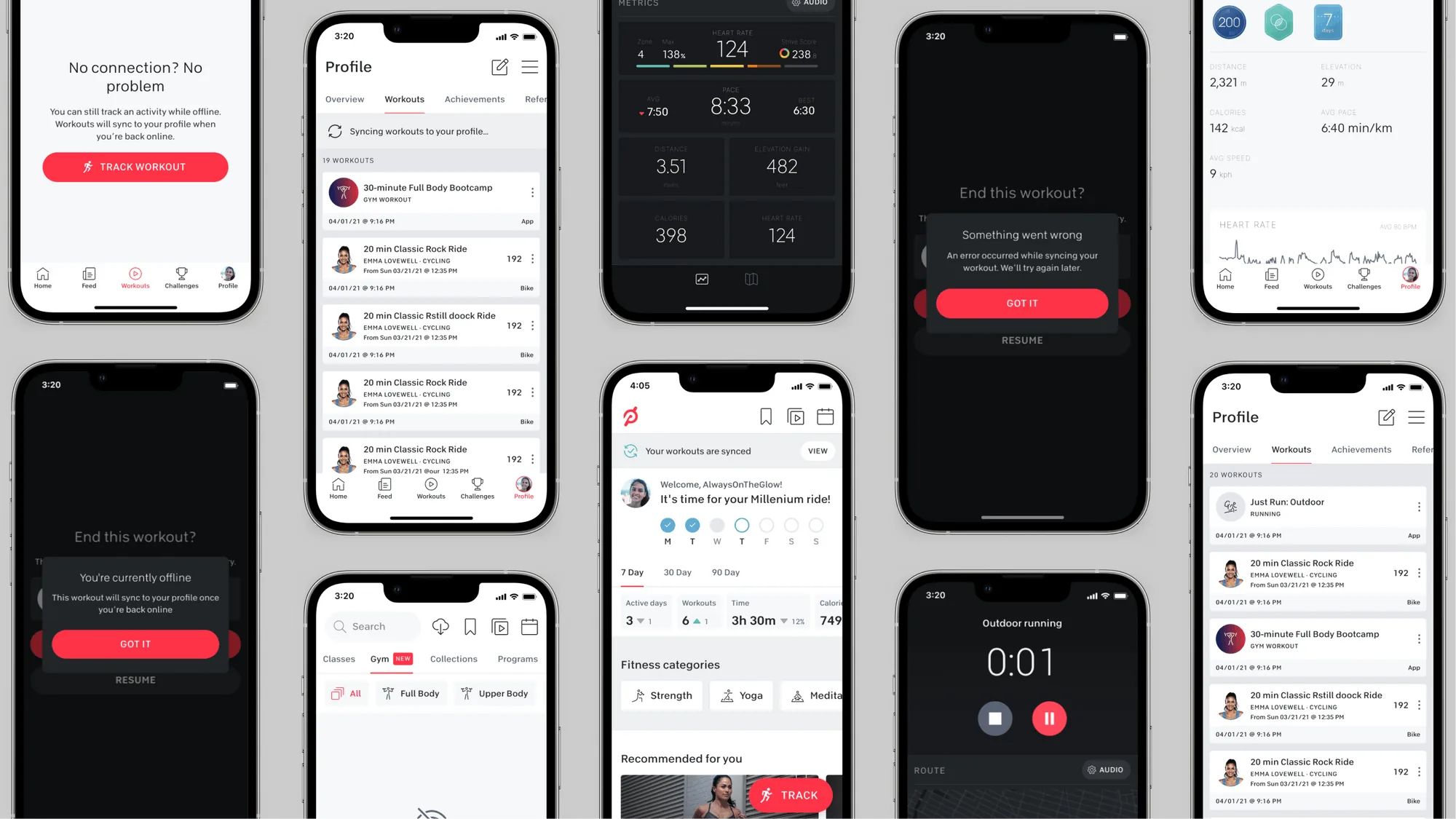
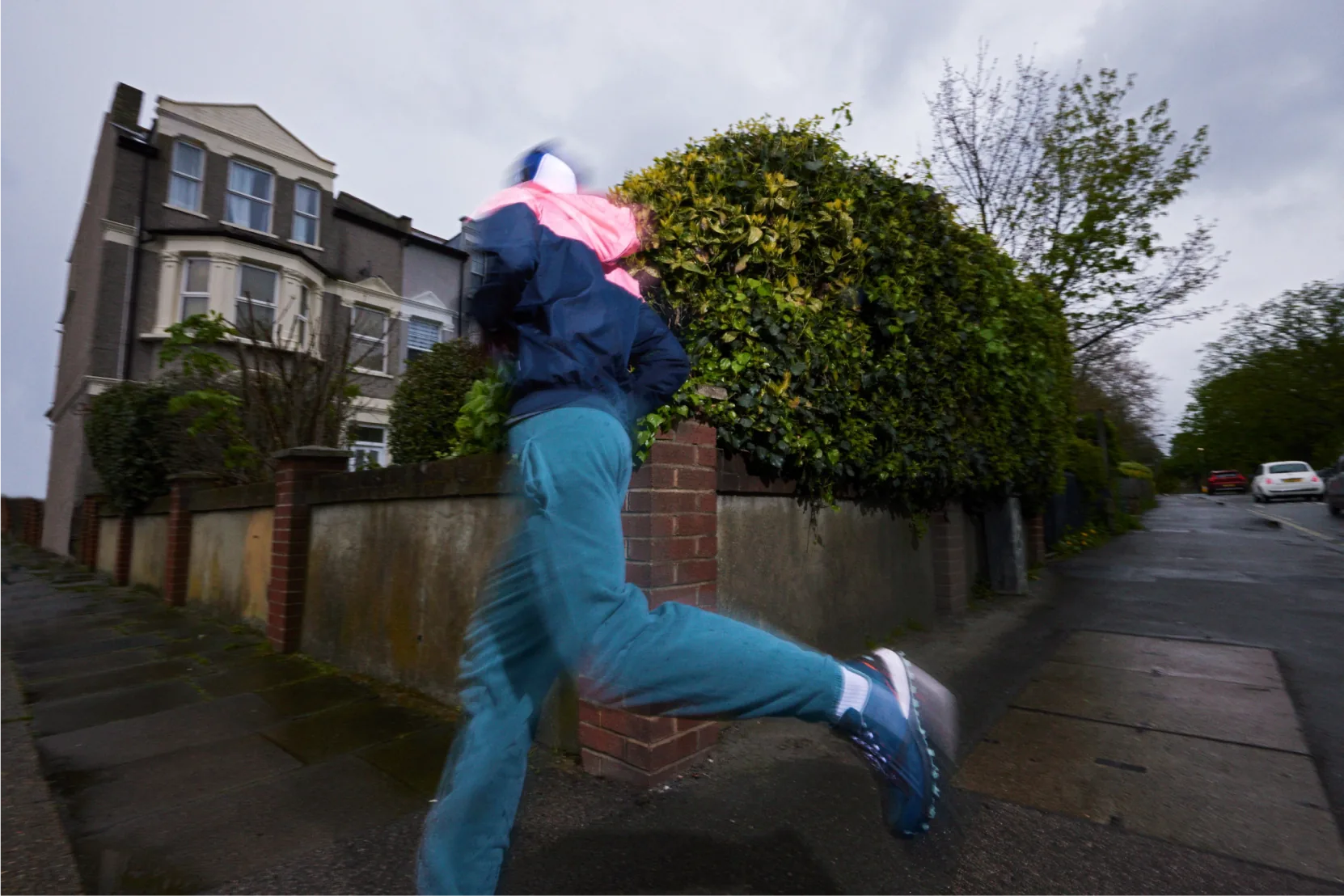
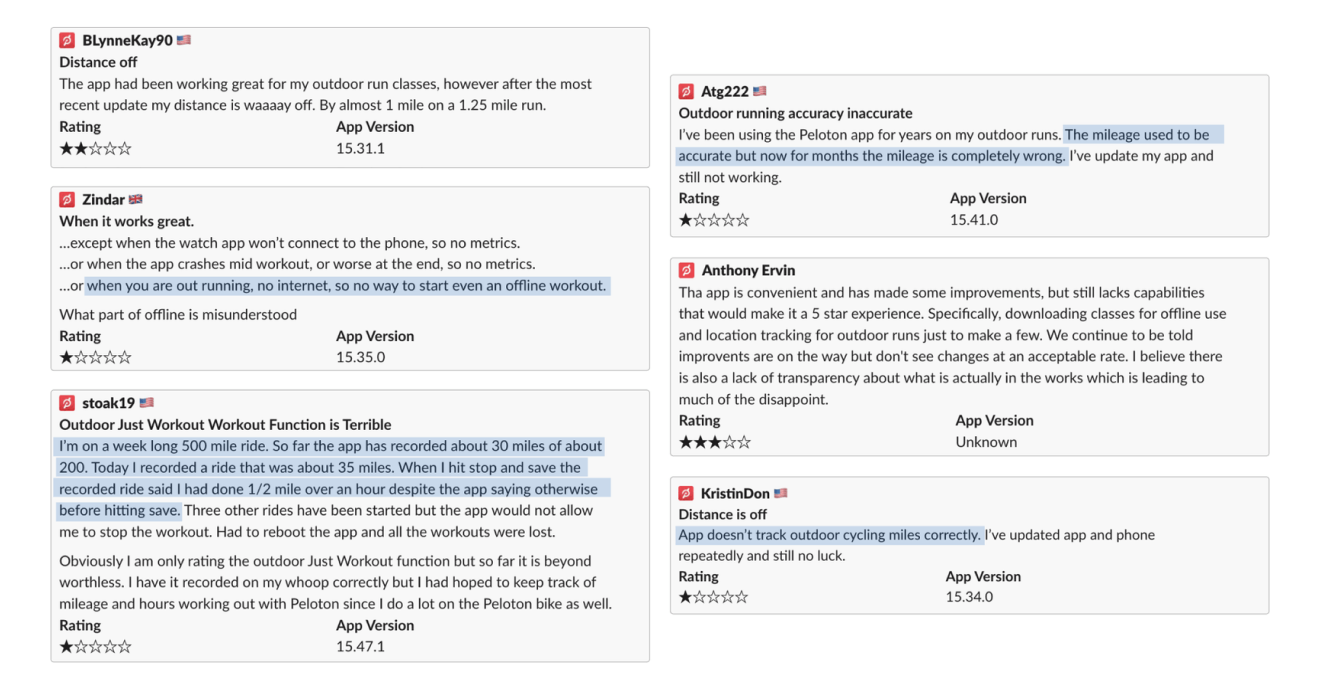
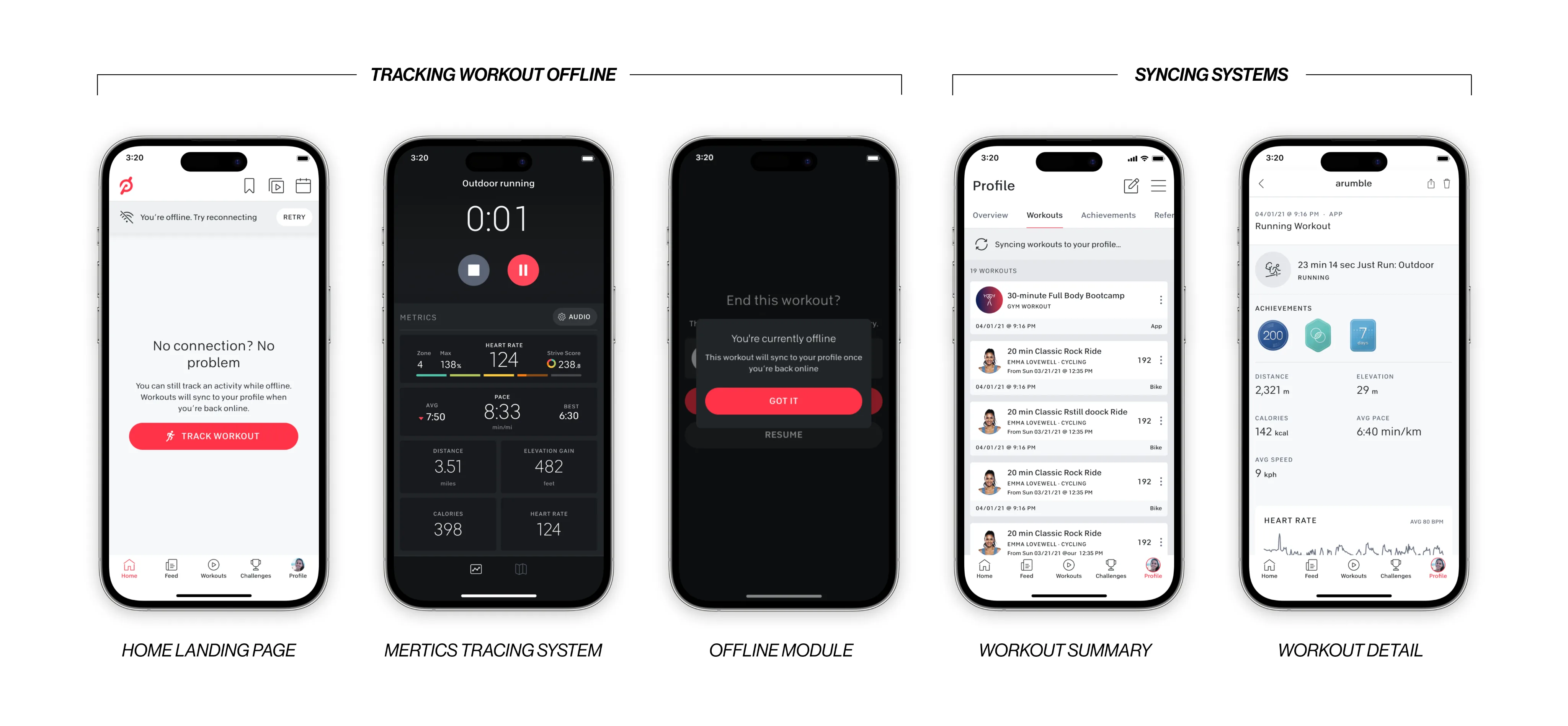
Just Work Out is a popular Peloton App feature that allows users to conduct workouts and track their metrics on their device. However, without an internet connection, clients either can’t start a workout or risk losing their in-progress workout data.

Supporting the Just Work Out offline feature has been a strong ask from clients.

Problem
Investigation

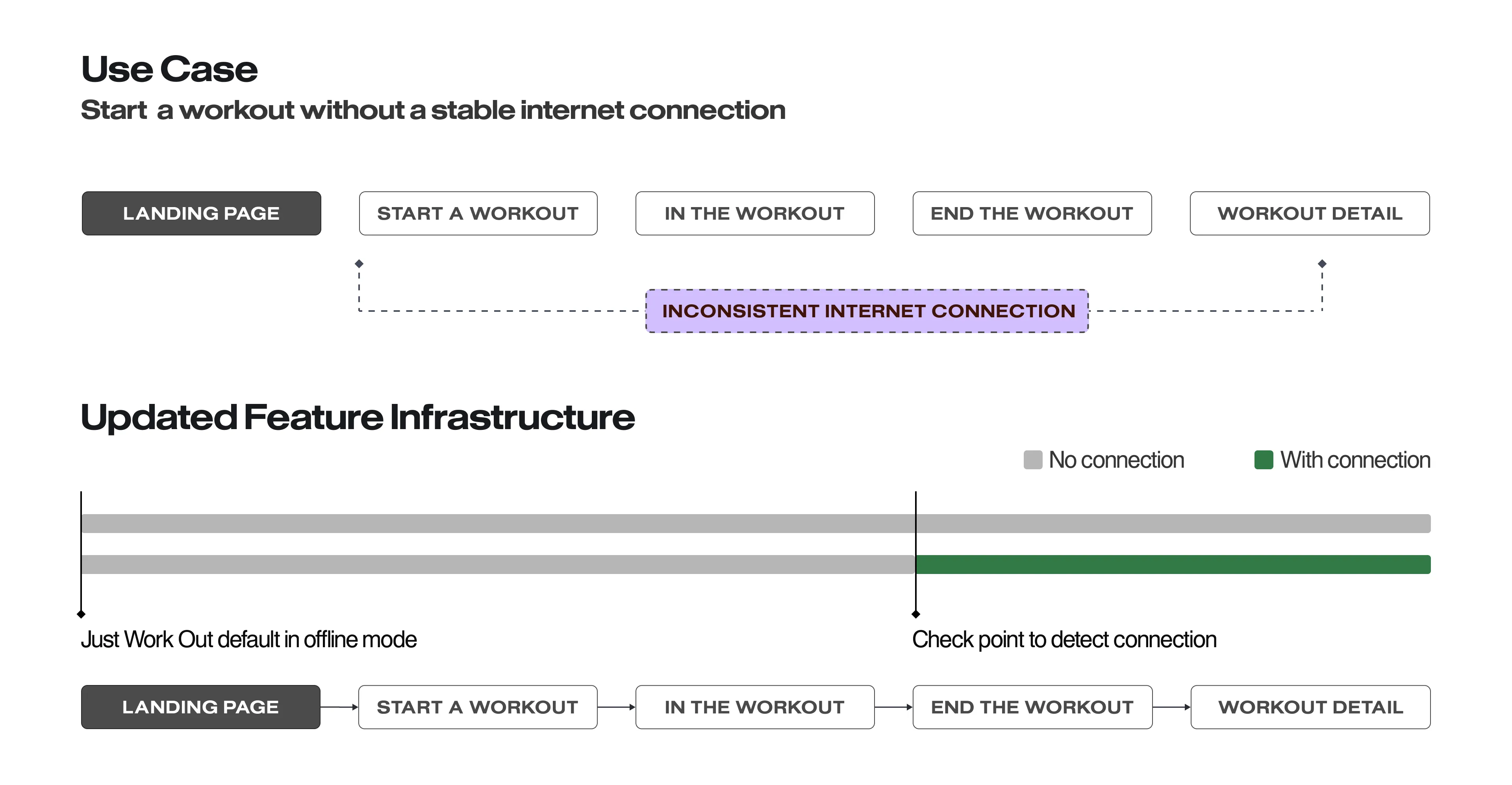
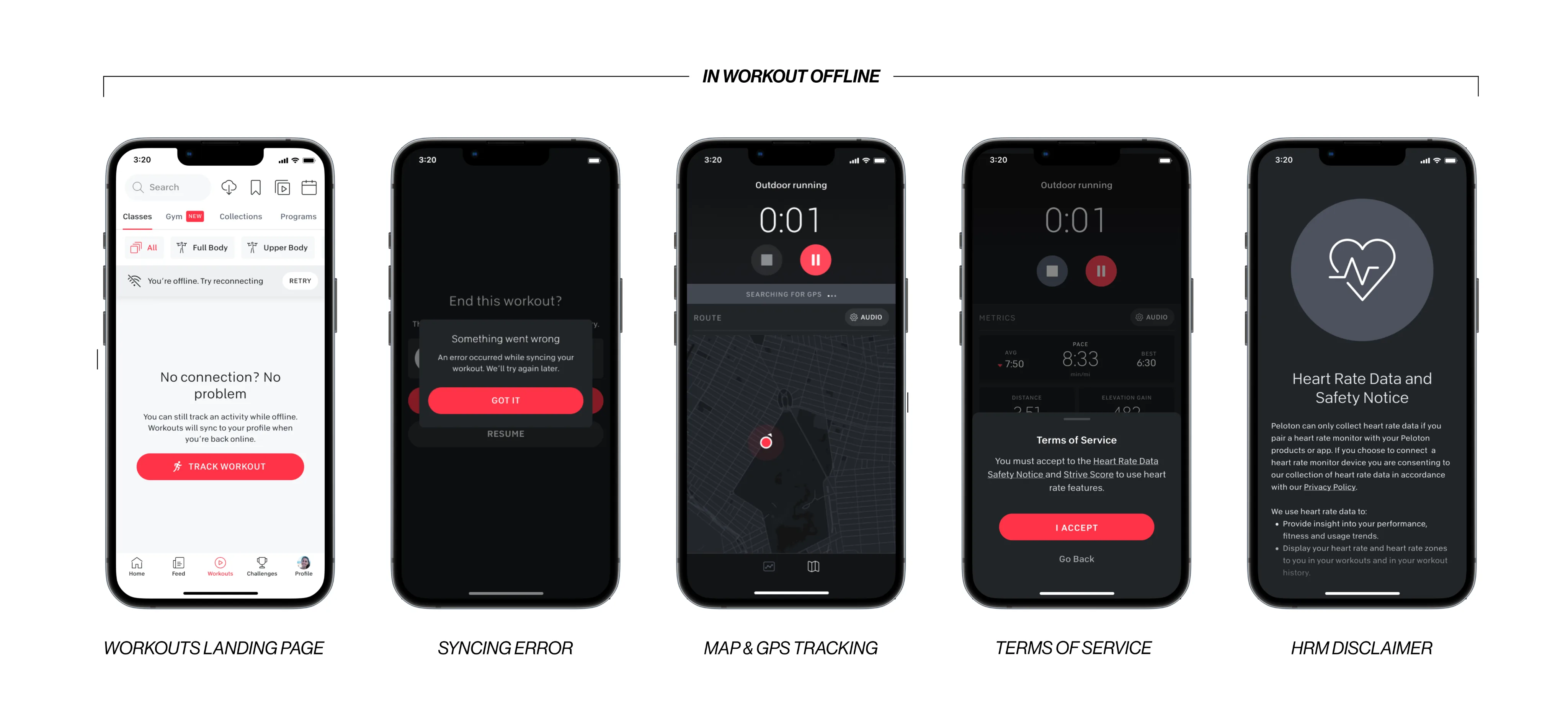
Ensuring a consistent experience across different edge cases required investigation into potential checkpoints that could affect the flow. I worked closely with engineers to define the efficient way to cover all scenarios with the solution.

The solution is allowing device to cache data once a client initiates a workout. Once ending the workout, the device determines whether to continue caching or upload the workout details and sync them to the client’s account.

Investigation
Outcome

I think the design challenge here wasn’t aesthetic, it was about mapping every edge case to ensure the experience stayed clear and consistent regardless of connection state.

The goal was to communicate workout status accurately while staying within the existing design system, keeping the solution lightweight enough to ship quickly.

Outcome 1
Outcome 2
Outcome 3
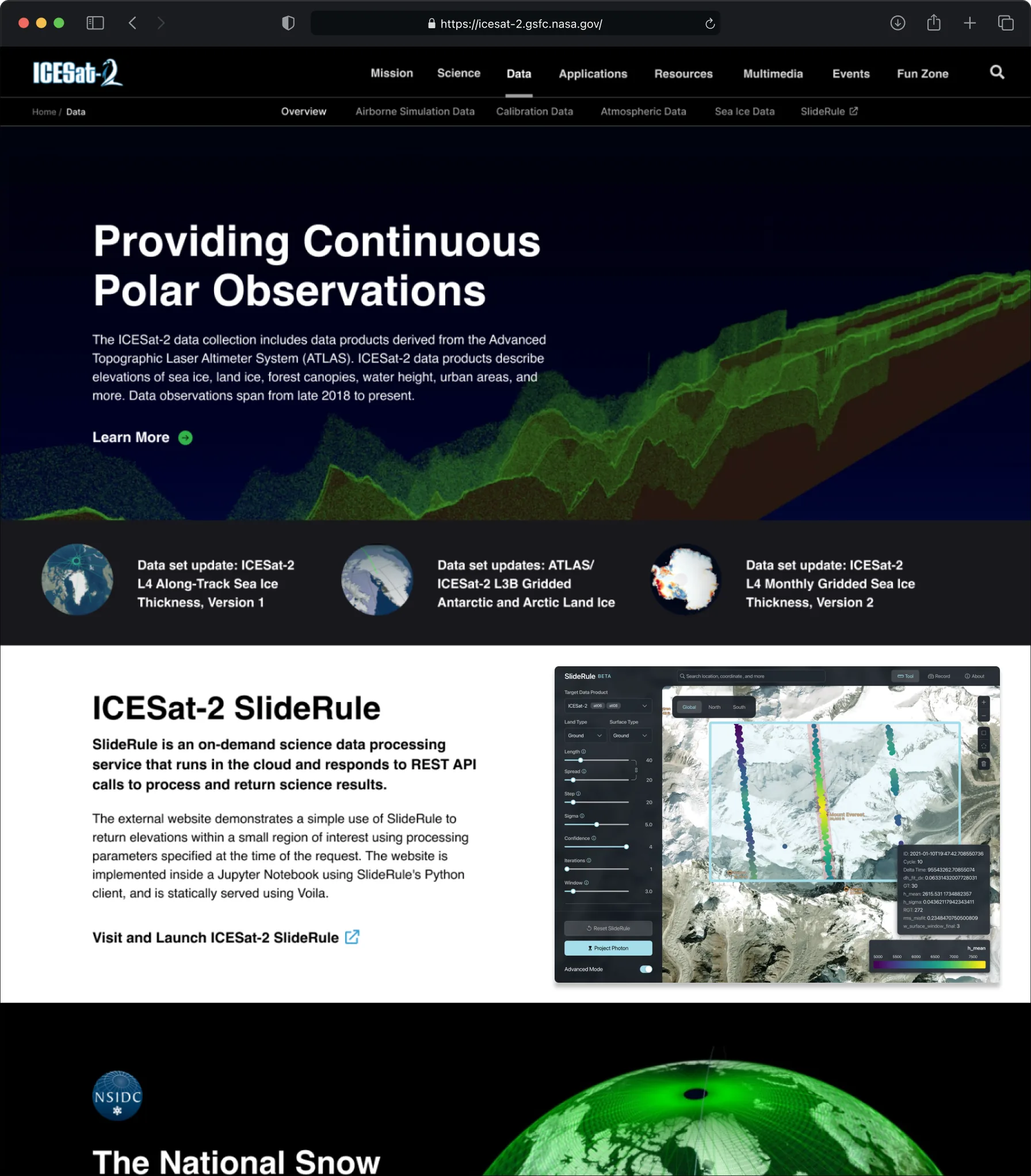
NASA ICE-2 SlideRule tool
NASA ICE-2 SlideRule
Surfaced scientific evidence through a data processing tool
For
Nasa Goddard Space Flight Center
Duration
3 months
Responsibility
UX Lead
Date
2023
What does ICE-2 do?

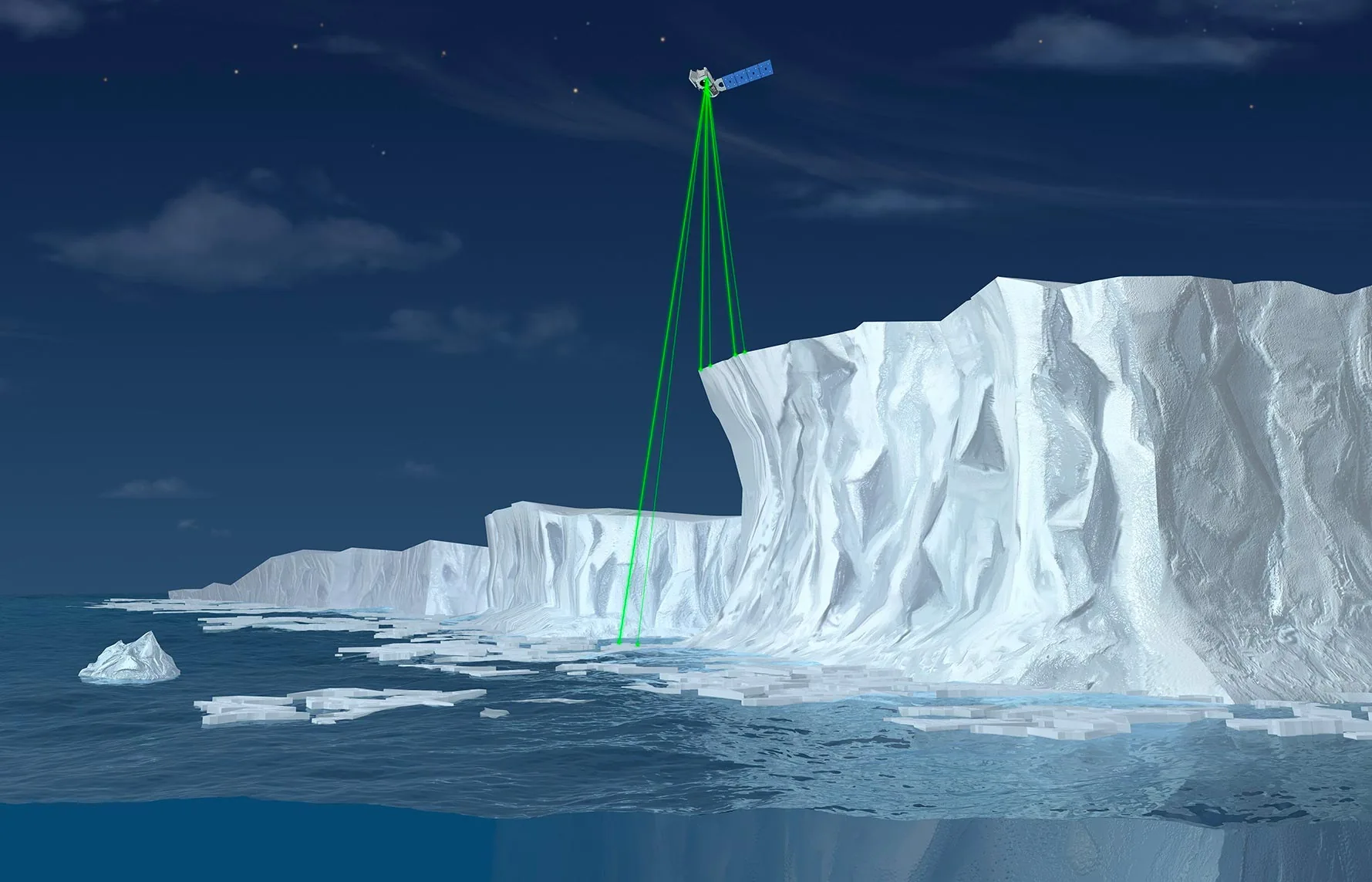
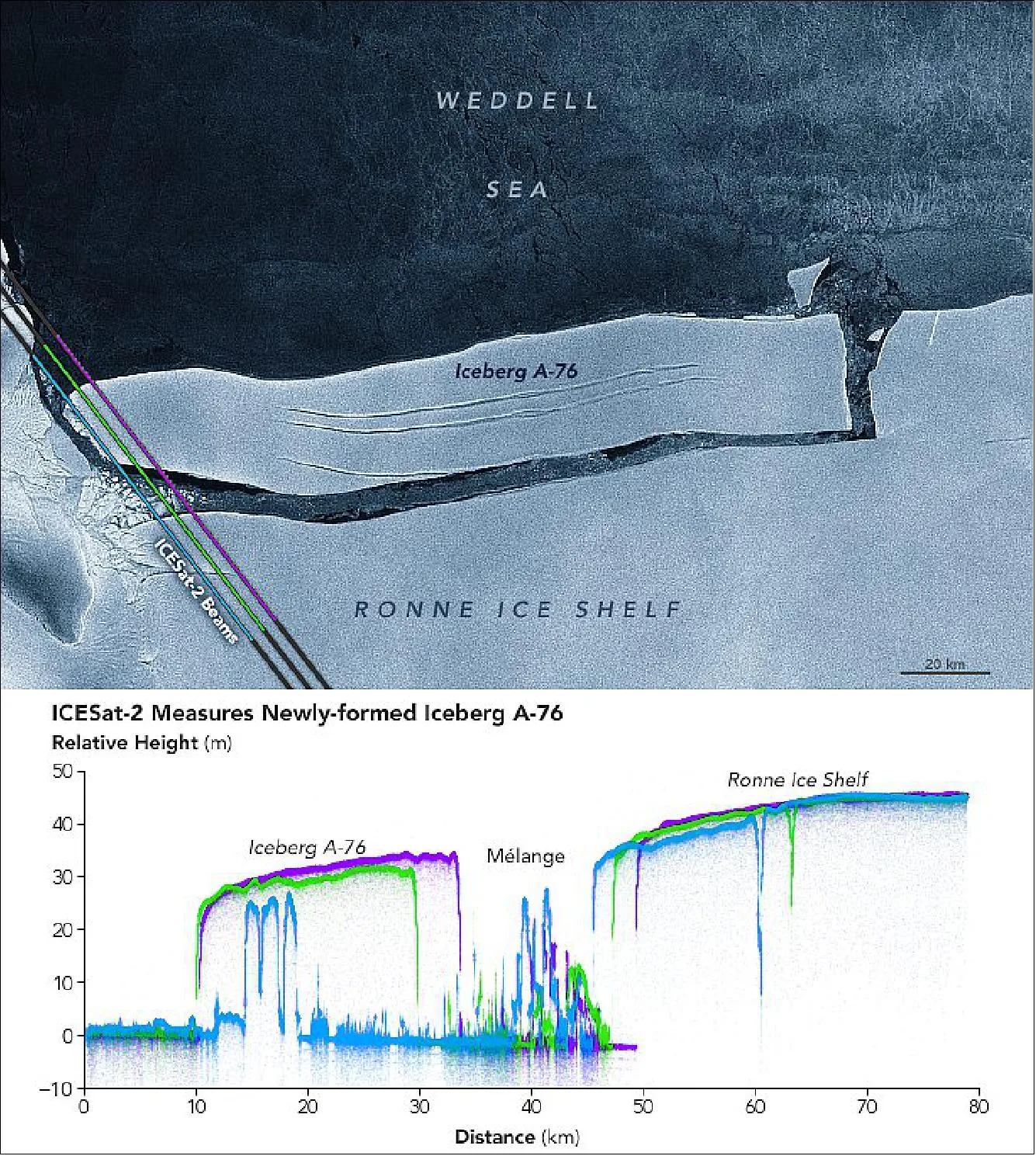
It’s a NASA satellite that shoots 10,000 laser pulses per second at Earth’s surface to precisely measure elevation, mainly tracking how ice sheets, glaciers, and sea ice are changing over time.

It’s how scientists monitor ice loss from space to understand the effects of climate change.

ICE-2 satellite
What’s ICE-2 SlideRule?

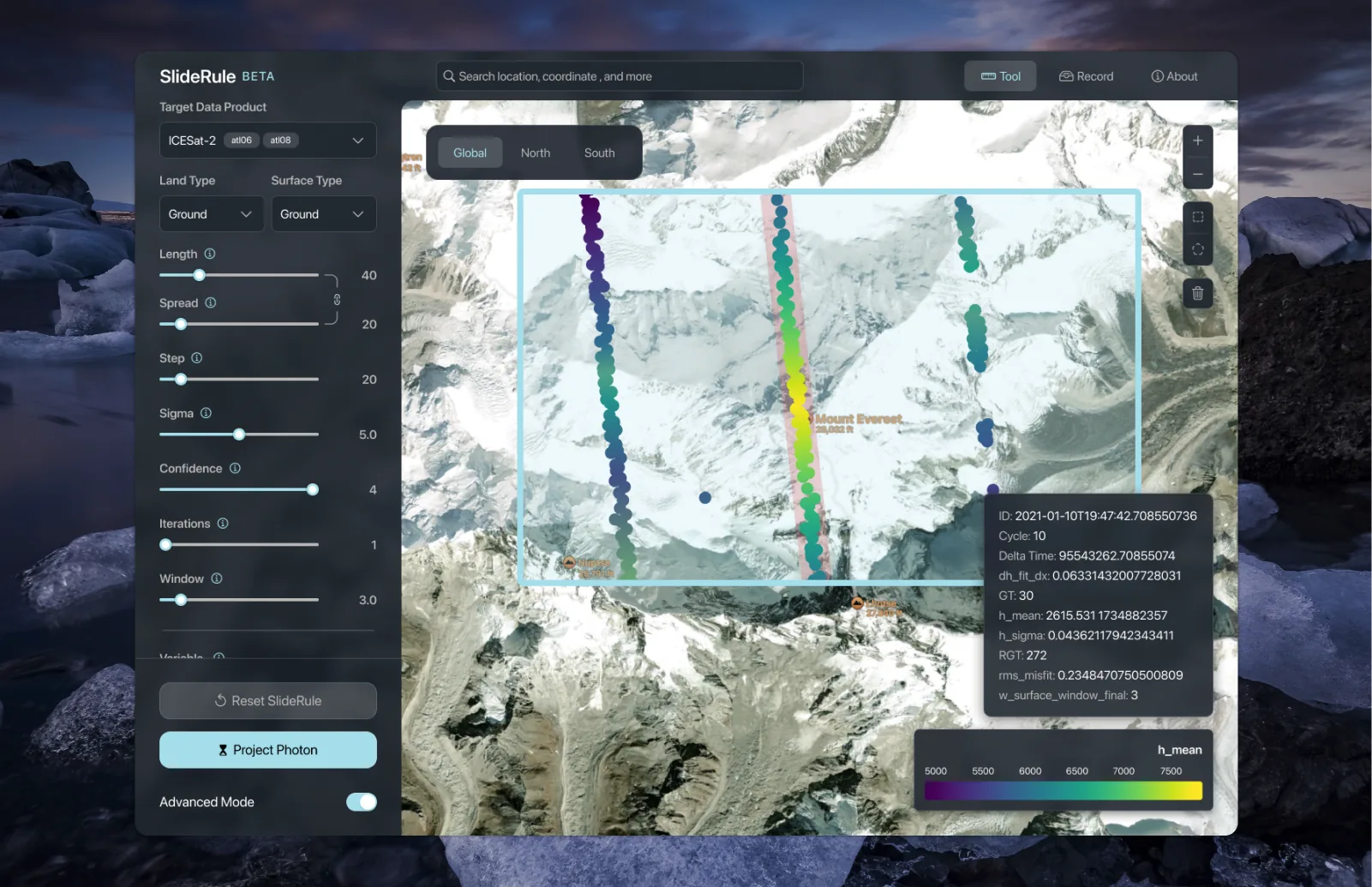
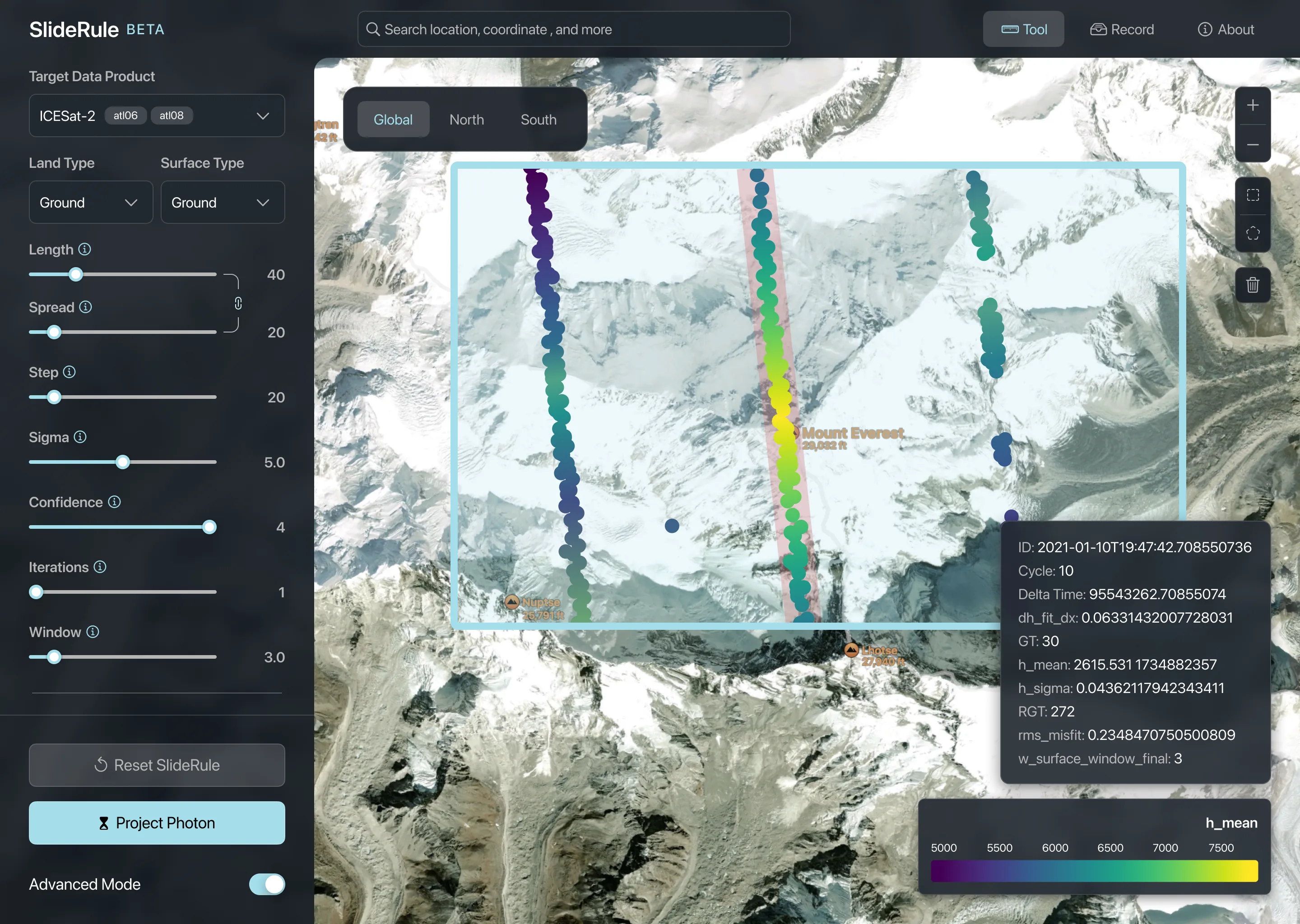
A tool that lets users ask NASA’s ICESat-2 satellite data questions and get answers back quickly without having to download massive files or do heavy processing yourself. You tell it what area of the Earth you’re interested in, and it goes and pulls the relevant data from NASA’s archives and sends back just what you need.

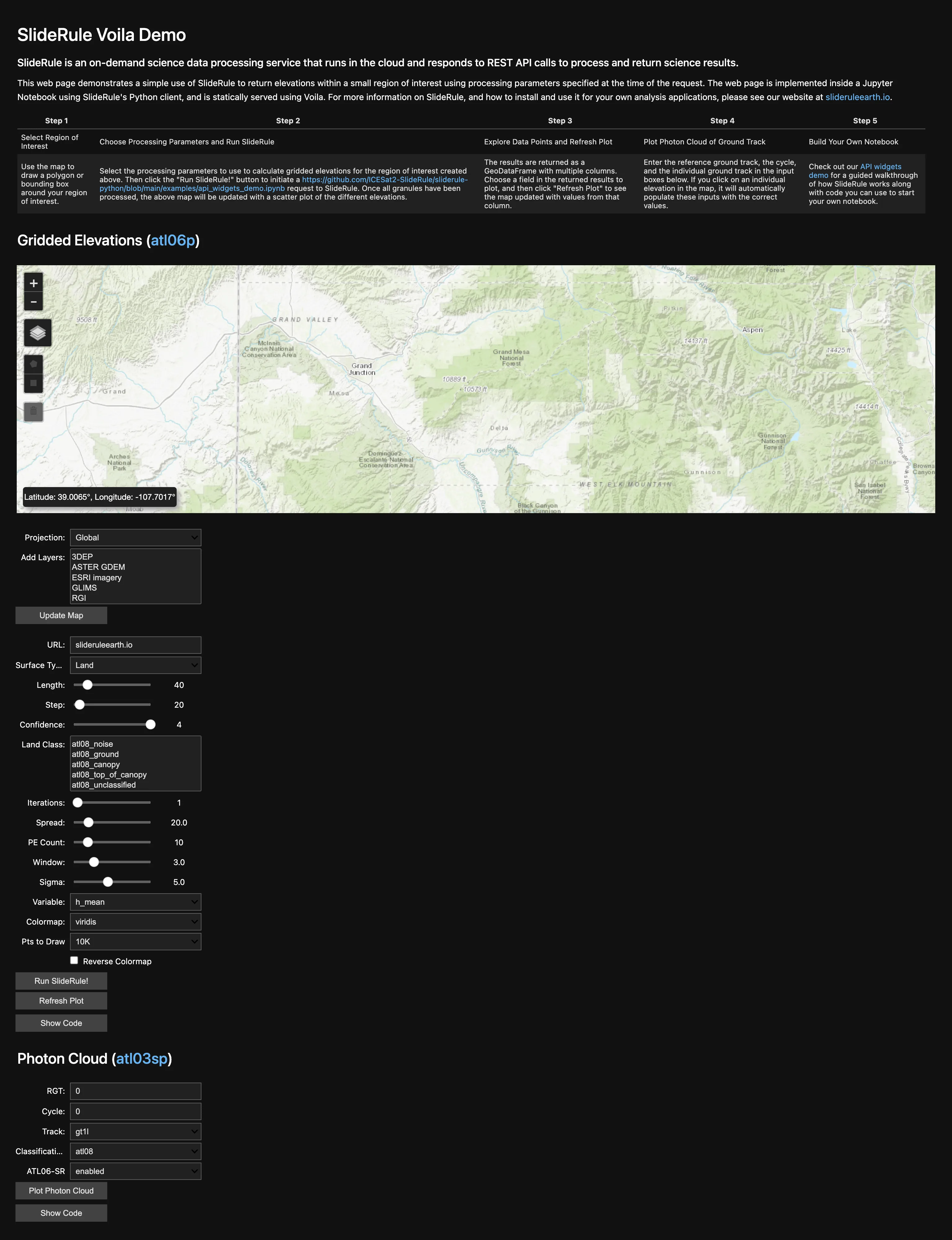
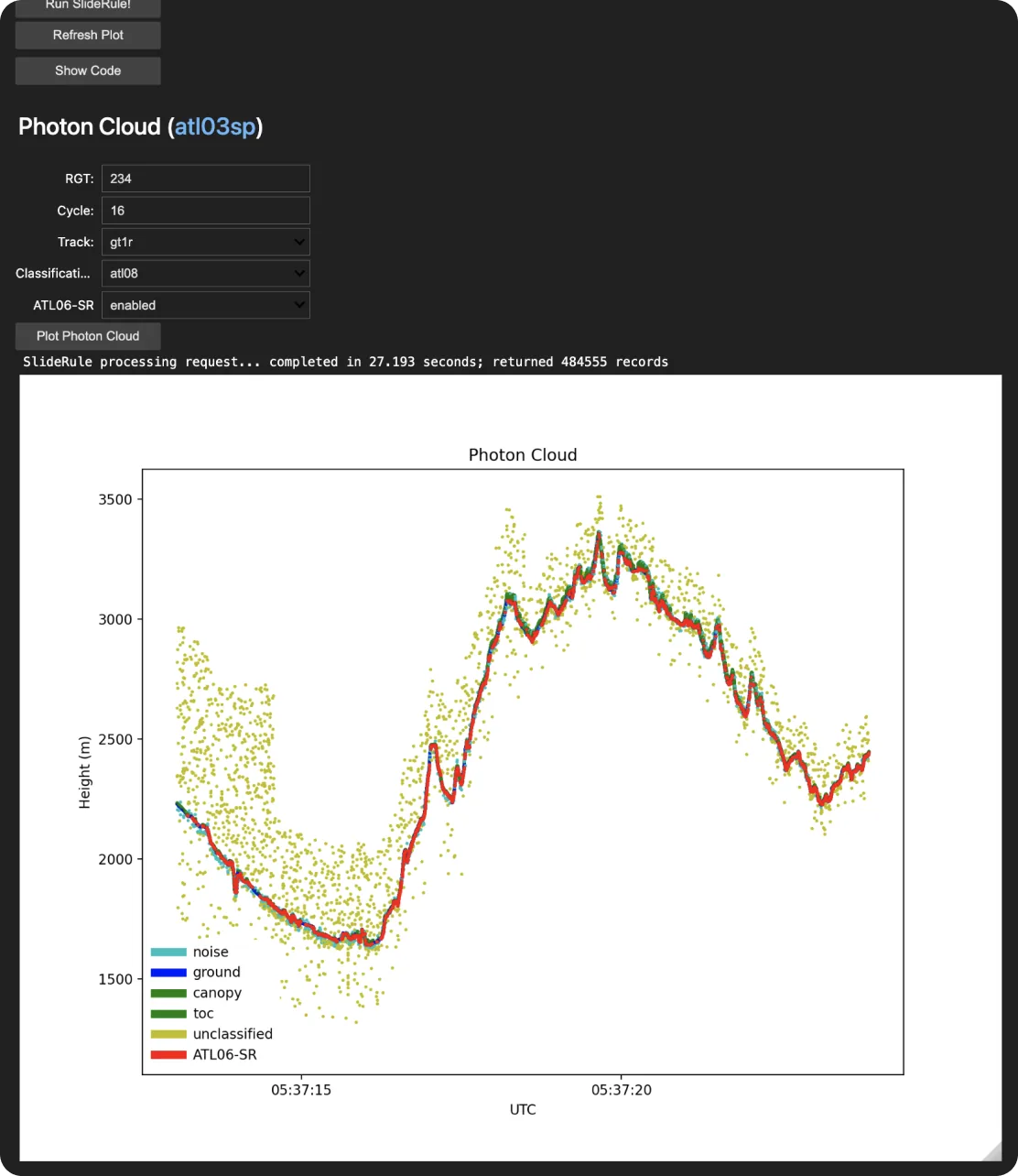
The photo on the right shows the tool in its original state, before I proposed improvements through the SCADpro program.

Pervious version of SlideRule
Context

This project aims to lower the barrier for the public to access valuable satellite data, while also designing a technical mode that improves the workflow for research purposes, starting from a deep dive into understanding how scientists currently use the tool.

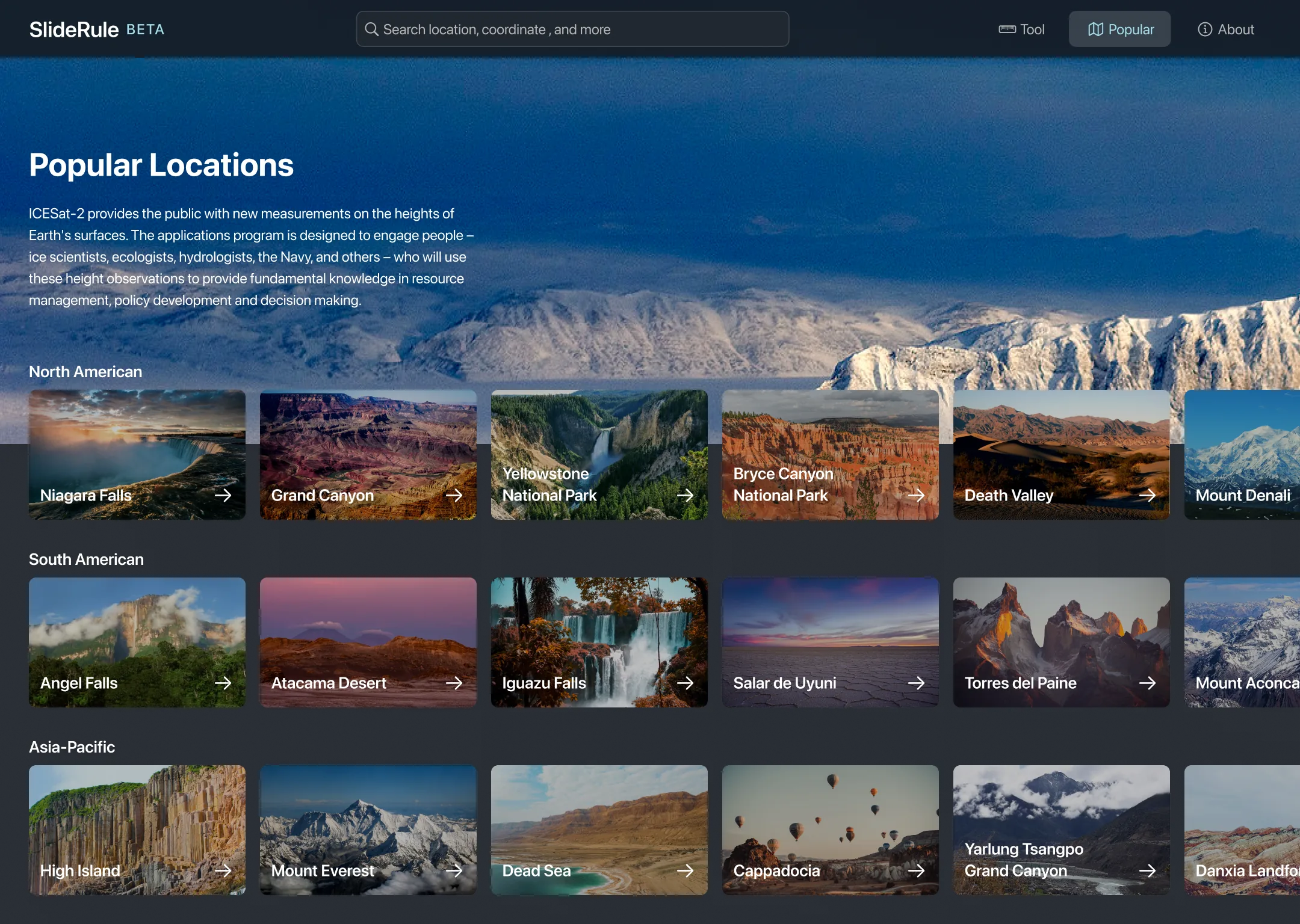
Pre-populated results for popular areas to encourage the public to explore the data
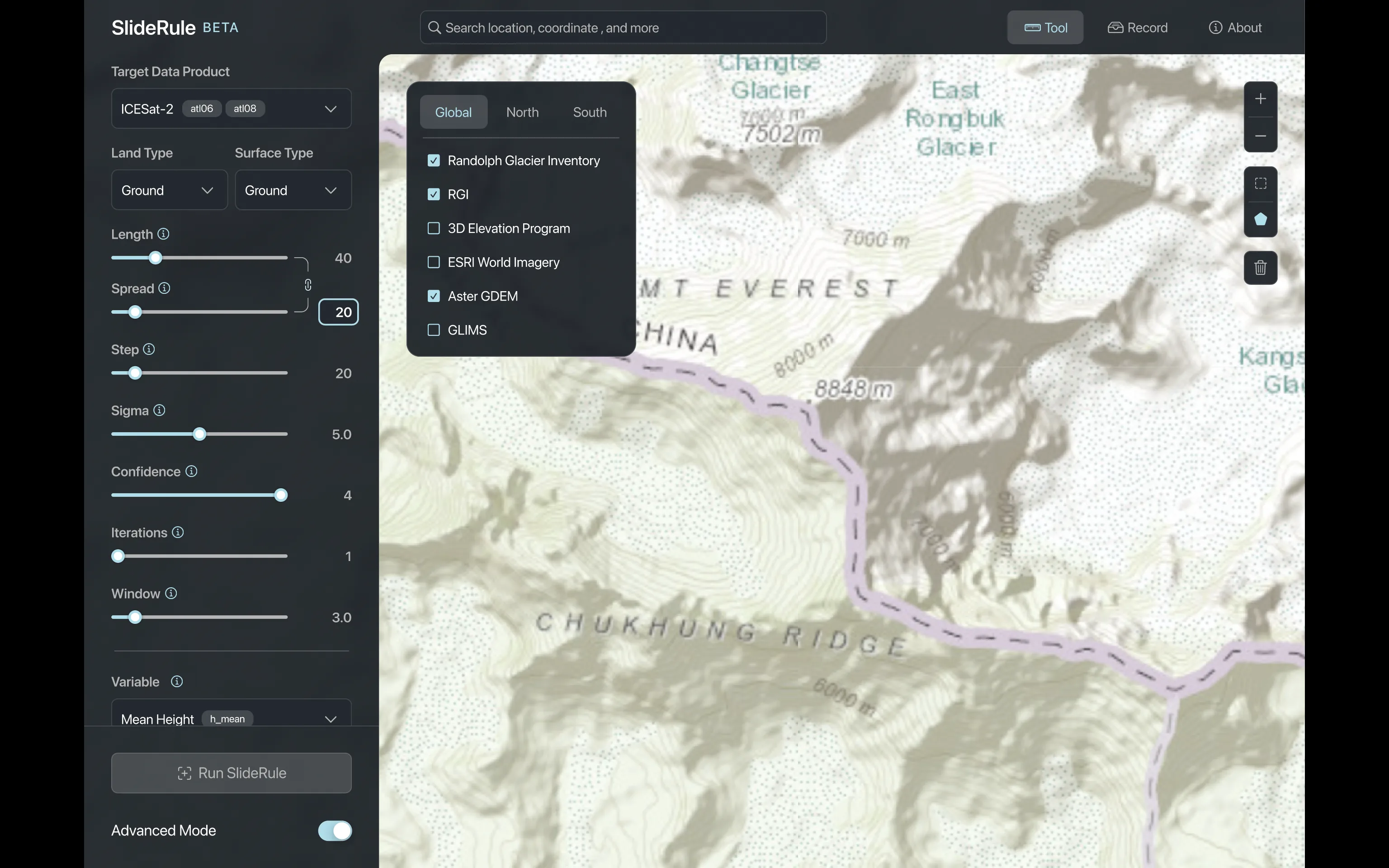
Advanced mode
Advanced mode for technical uses
Design - Advanced mode
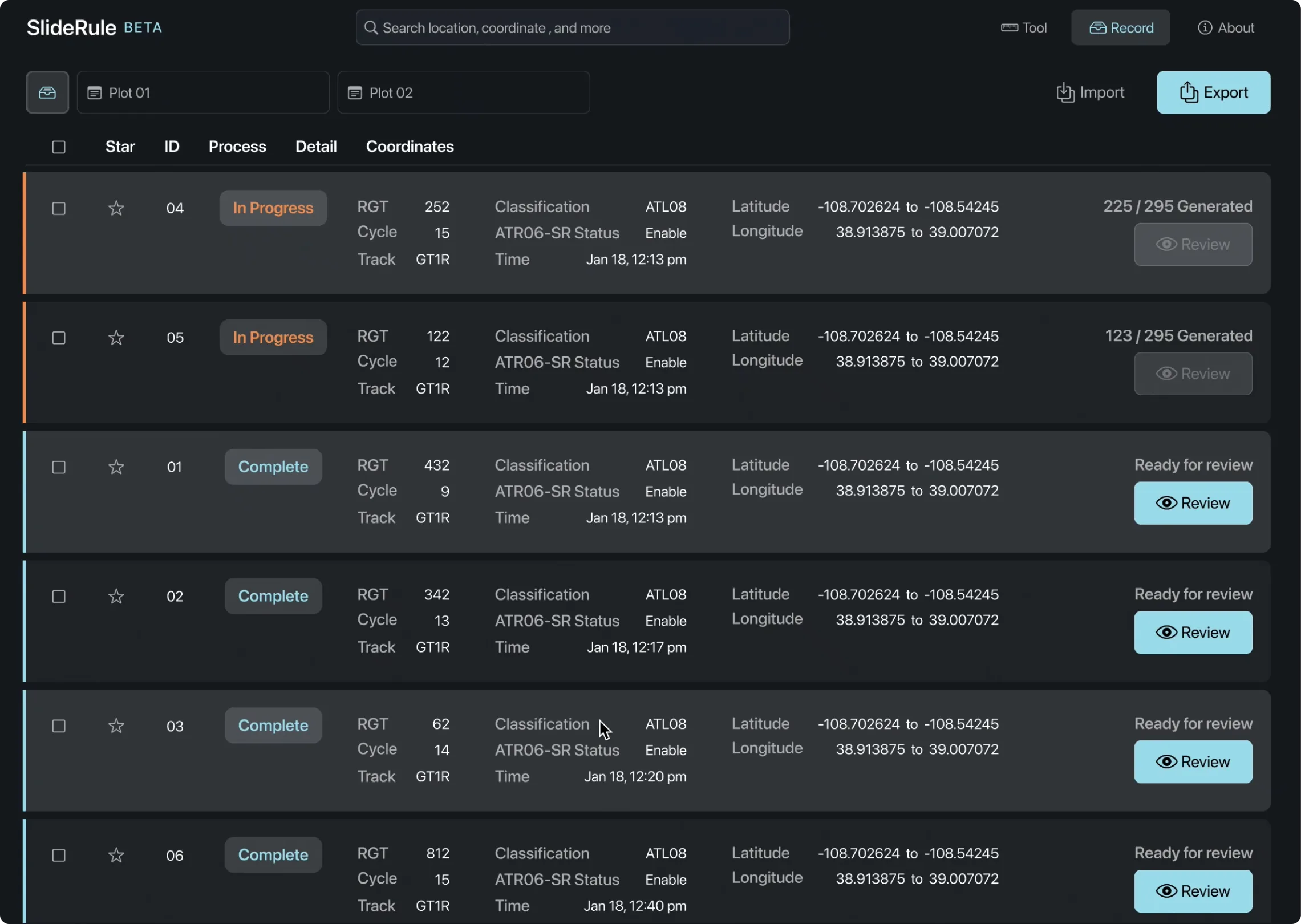
Allow multiple requests to be submitted simultaneously, each has its parameter settings, status label, and coordinates
Designed to integrate other data libraries
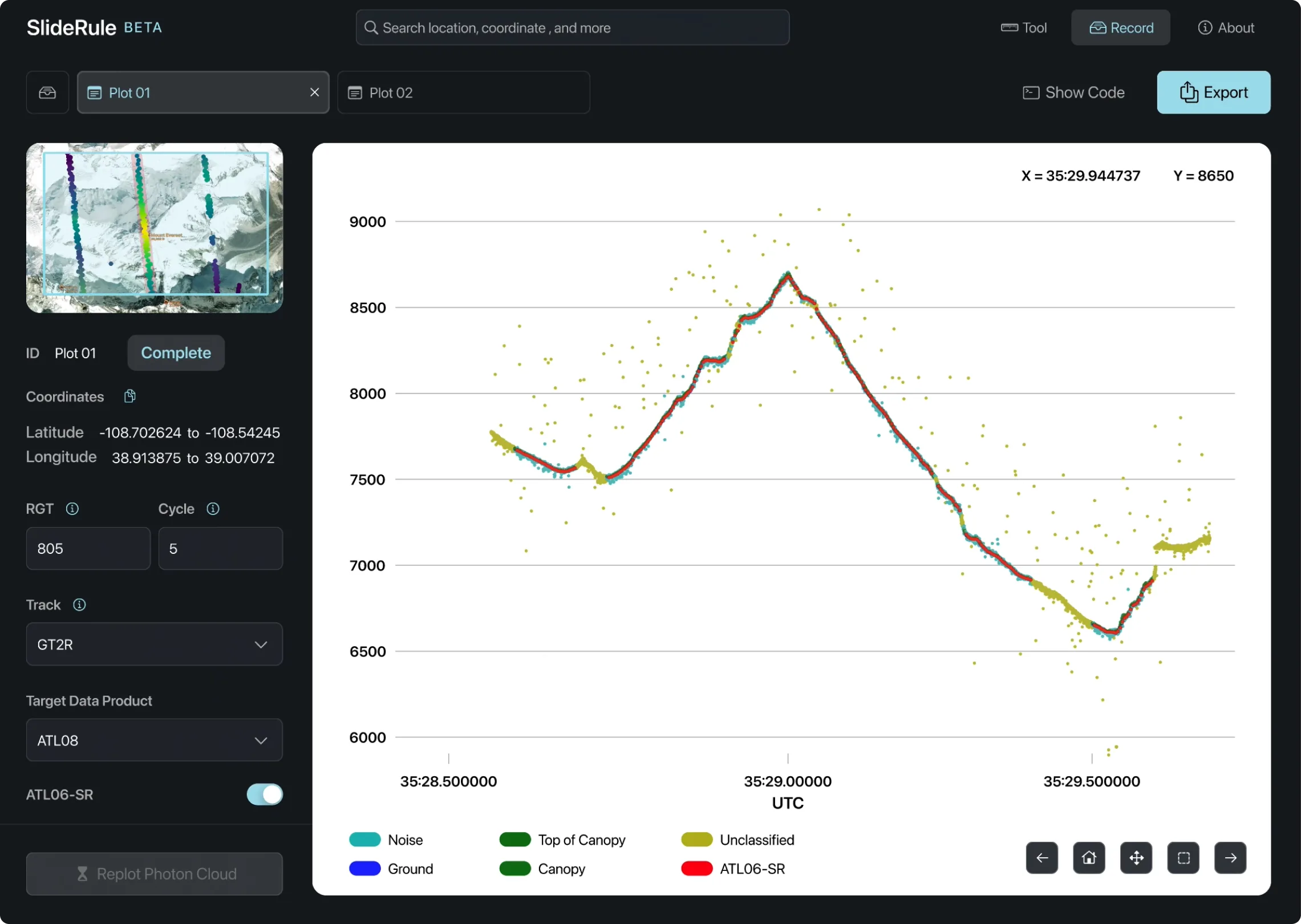
Panel detailed
Panel detailed
Result levels (before)
Result levels (after)
Feels like a dream

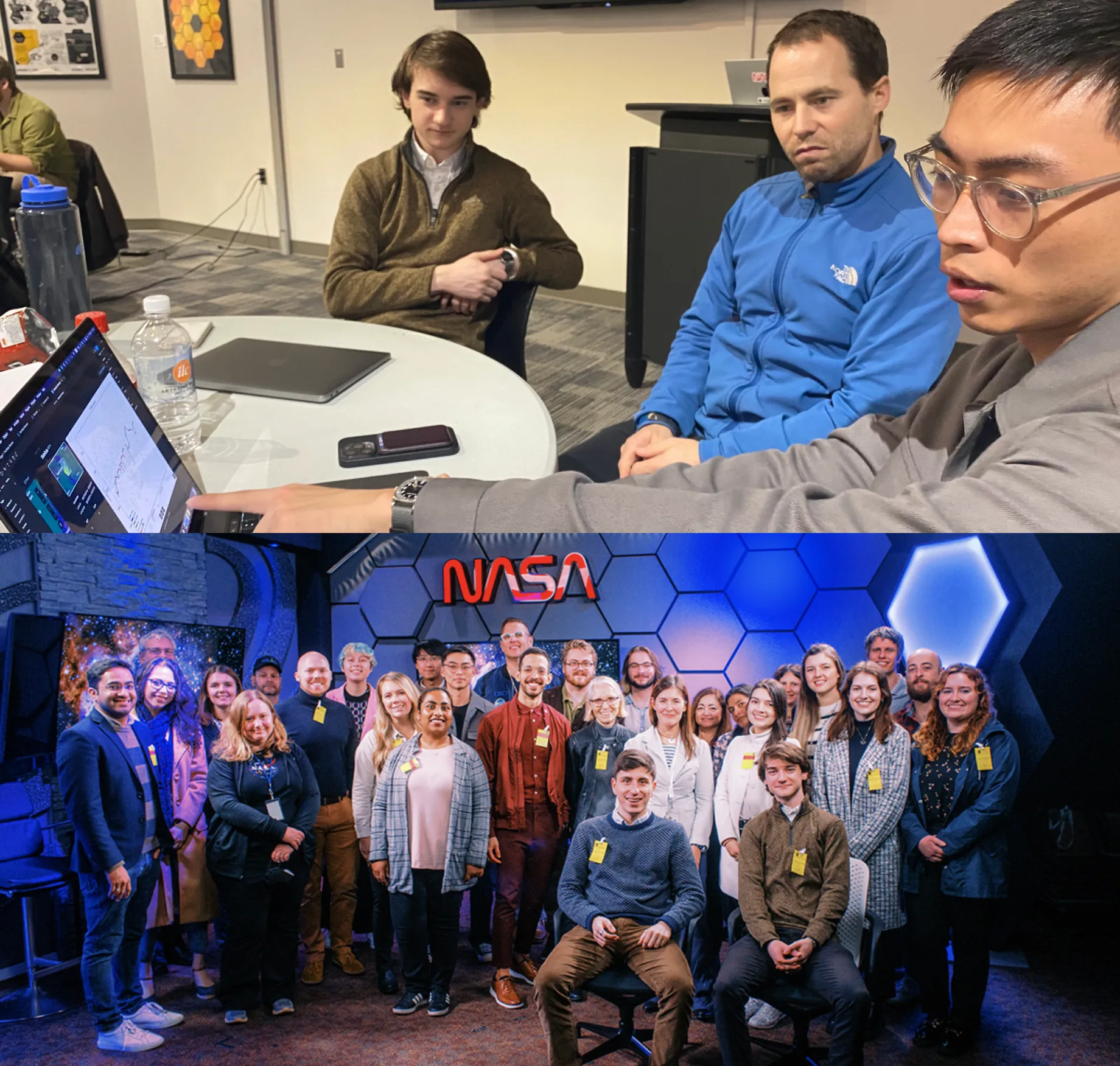
OK, It’s such a precious opportunity to be solving a real problem with NASA. From first proposing the idea, to speaking with the ICESat-2 team, to visiting Goddard Space Flight Center to present the design and work alongside their engineers to develop the project, everything feels surreal and I’m incredibly excited to be part of this.

Excited to see our design results to be part of NASA ICESat-2 mission documentation!

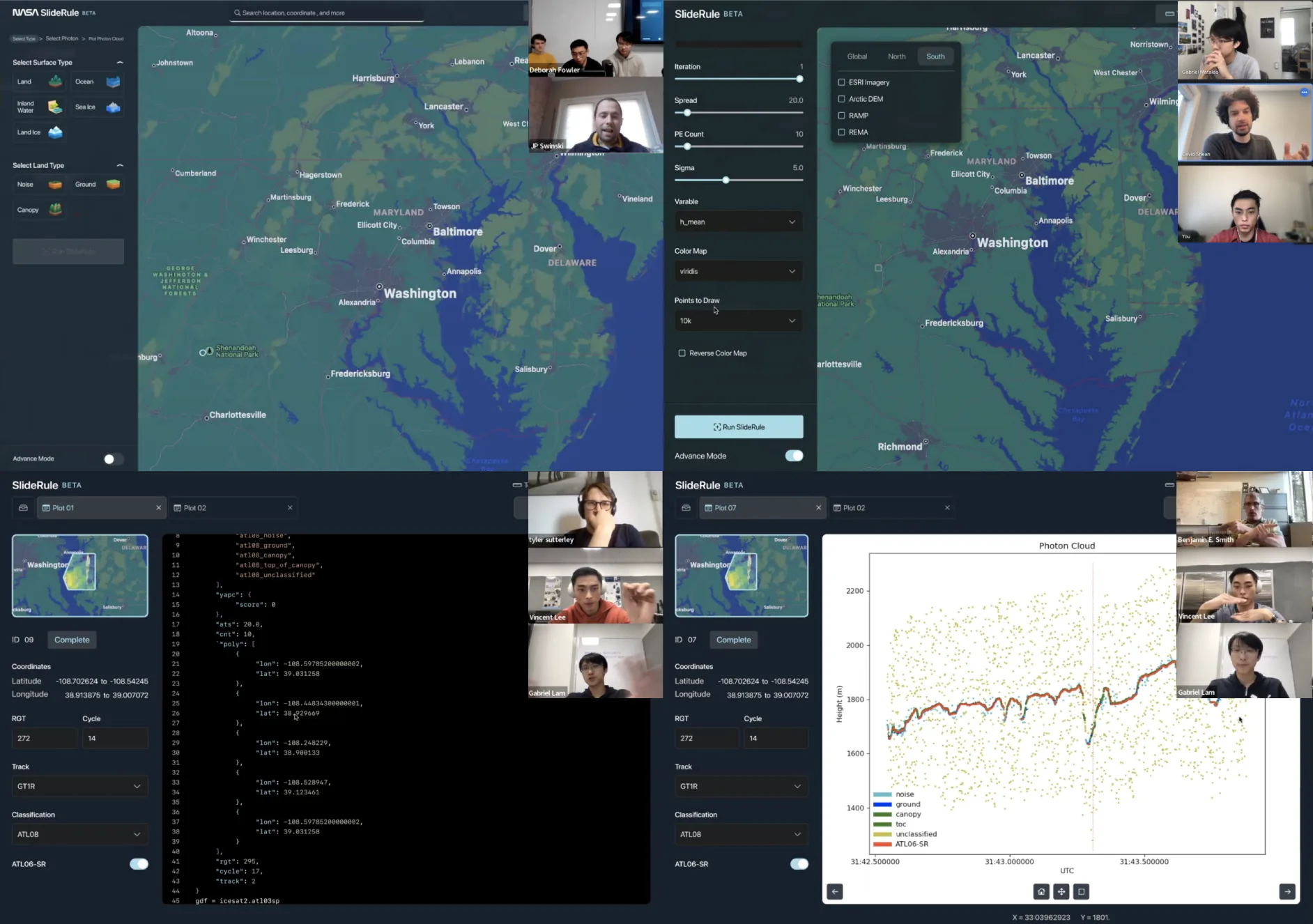
Research
Research
Visiting Maryland - Goddard Space Flight Center
Web page
Web page
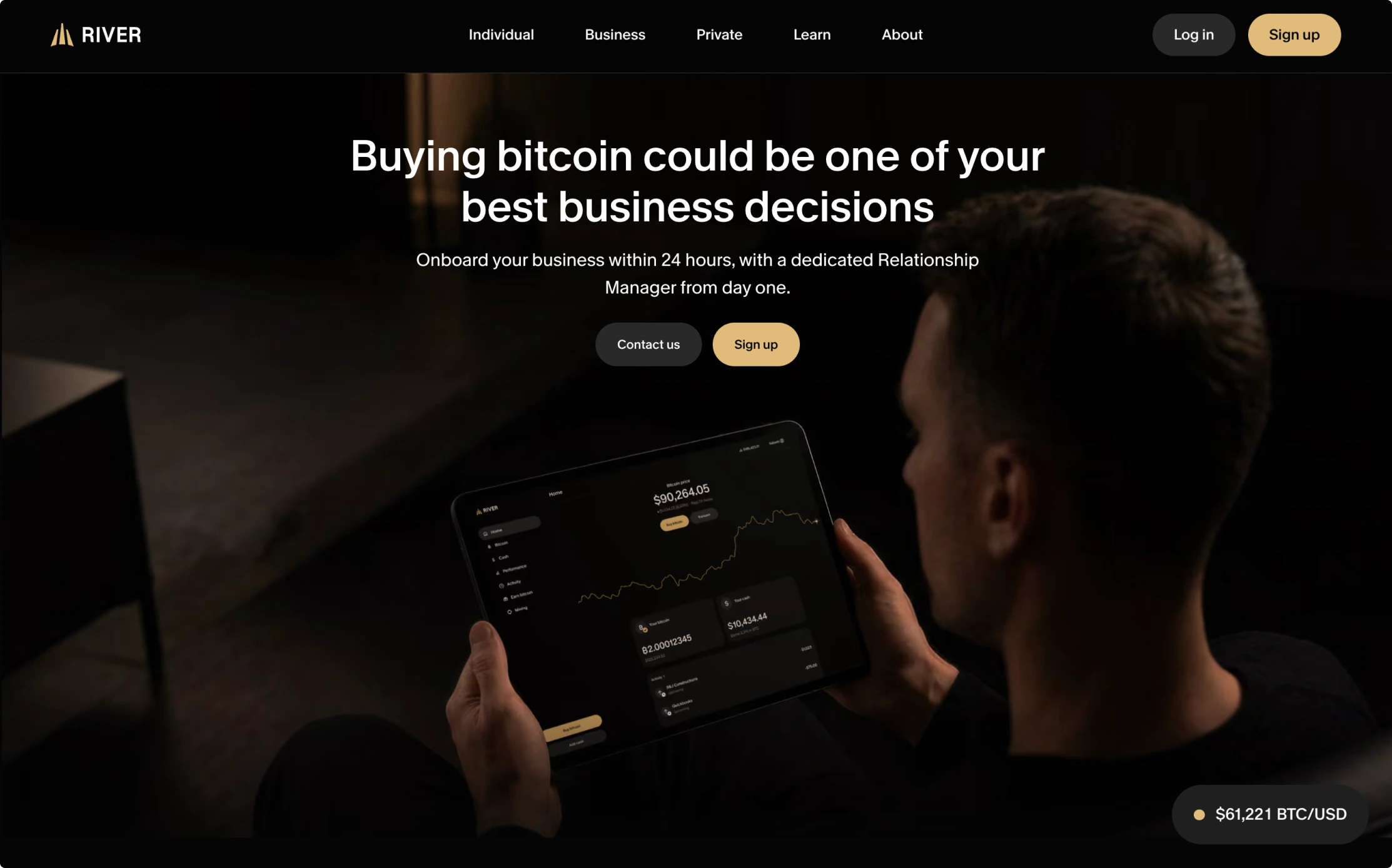
River marketing website hero
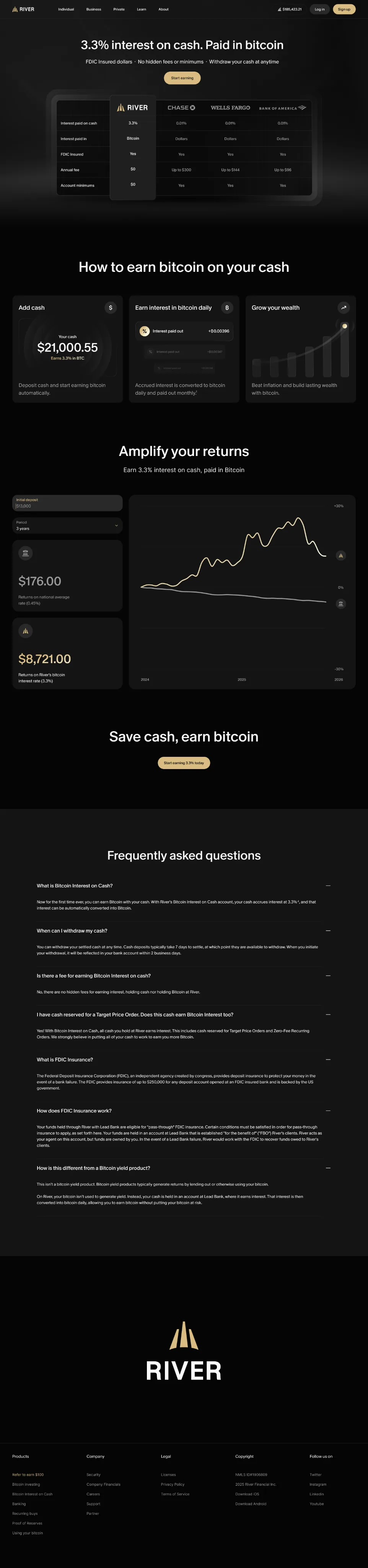
River’s Marketing website
Shaped the brand and business representation
For
river.com
Duration
3 months
Responsibility
Product design
Development
Date
2026
Overview

A full River.com revamp across 20 pages to modernize the brand within the rebrand work, resolve visual inconsistency, improve accessibility and SEO, and build a scalable front end system from the ground up, reducing development time while keeping layout consistency across the website.

Overview
The Problem

The previous River.com had mismatched components and an outdated visual language made the site hard to maintain and harder to make a strong first impression on prospective clients.

The content was identically repetitive across each page, causing information overload and making it difficult to convey the brand and value prop throughout the website.

The Problem
Design

After aligning with our lead brand designer, we defined a card and section system that could be adopted across each page while delivering the new IA. I also worked closely with the marketing team to refine the content strategy,

One thing worth calling out, I recommended adopting a full-width section on the homepage for flexible campaign rotation, and assisted with the visual asset production alongside the lead brand designer.

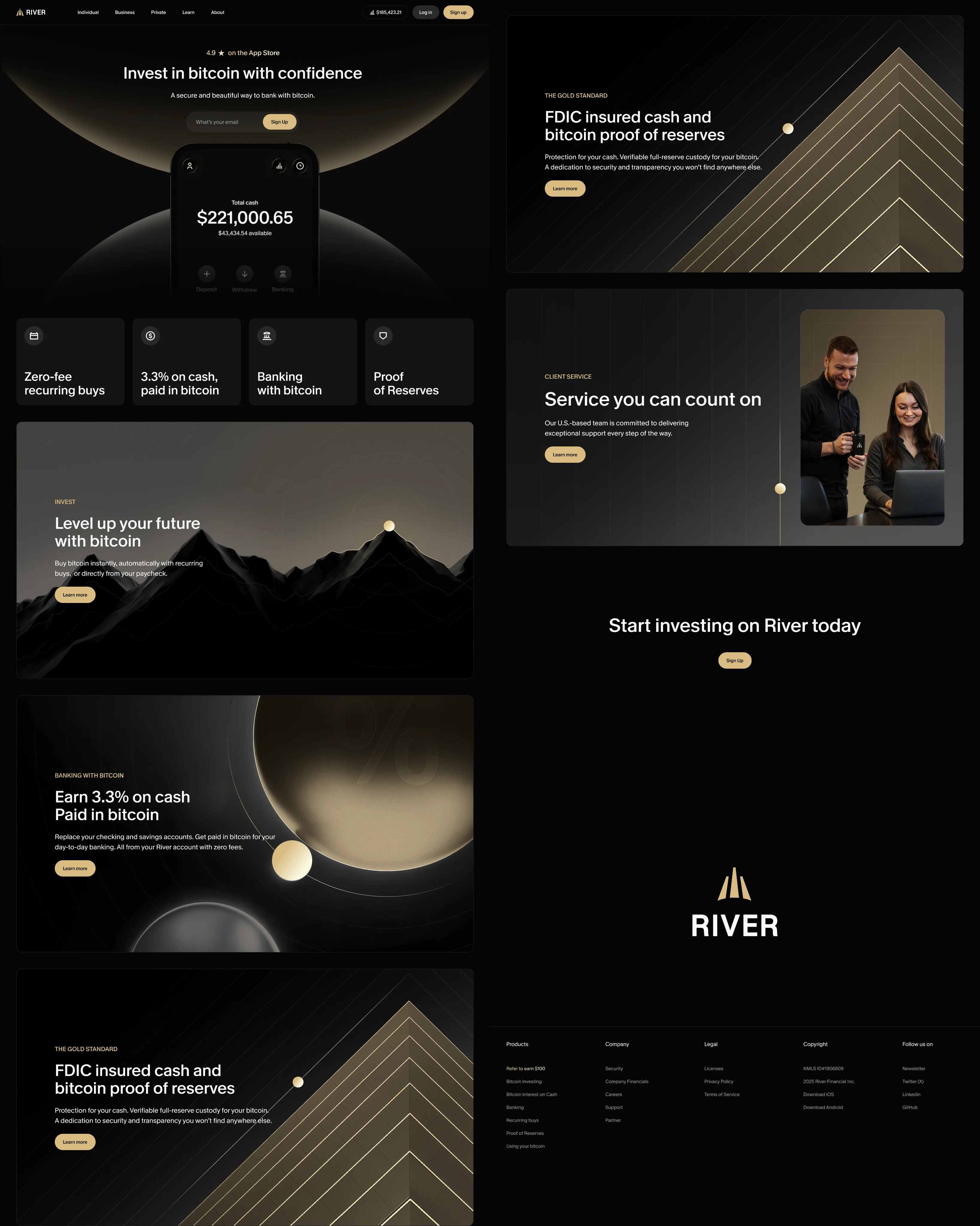
Home page
Home page
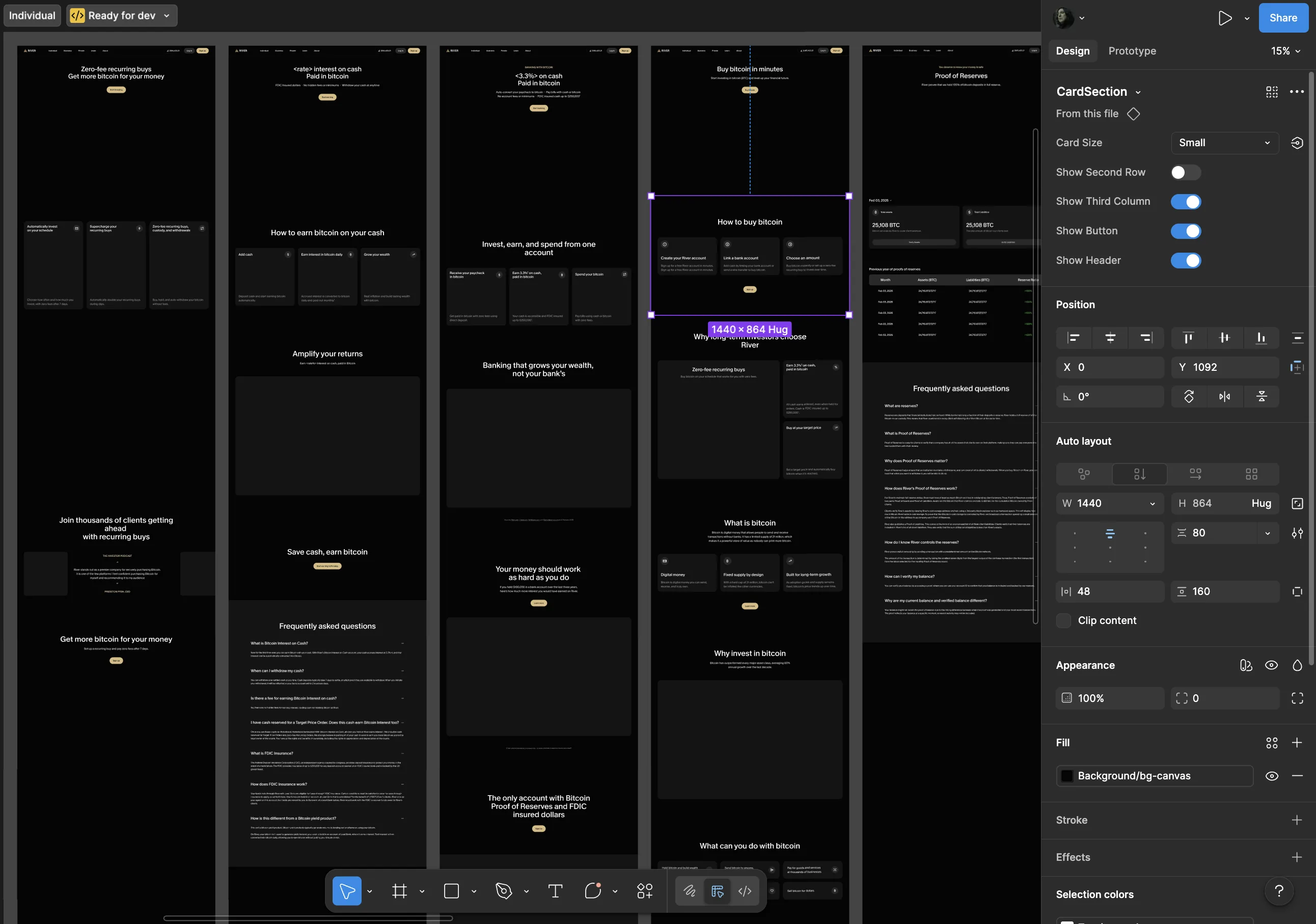
Building It

We eventually narrowed down to 14 pages to build. I worked with another design technologist to execute the development.

We focused on building out the section components and card system as the foundation, while the utilizing the new rebrand tokens, and have all the pages behind a feature flag.

The foundational piece took us 3 - 4 days to get right, with support from a senior engineer to review the code. Once the system was in place, it enabled the two of us to build pages like Lego, we finishing a page in 2 – 5 hours depending on the number of sections.

File ready for dev
File ready for dev
Outcome
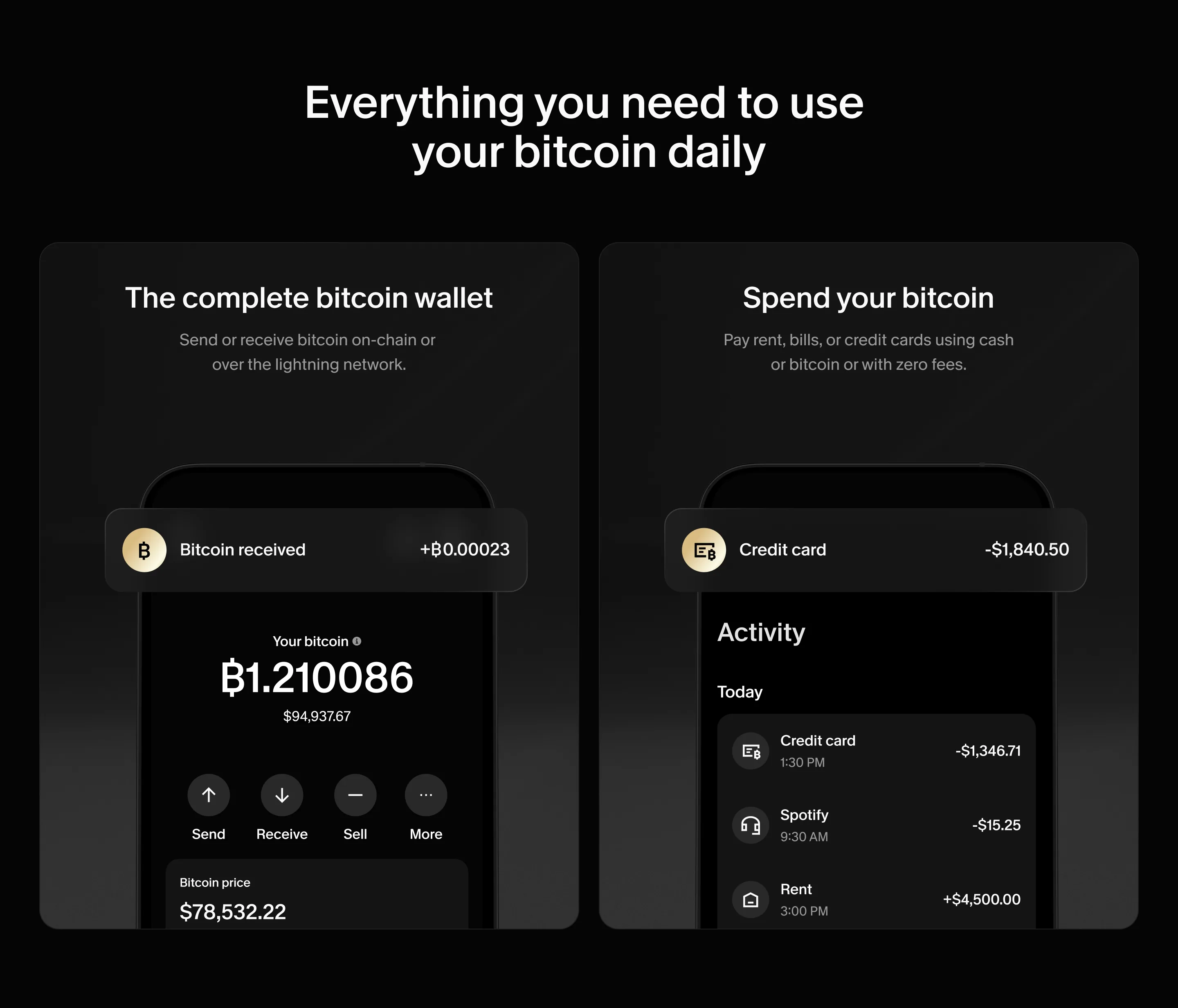
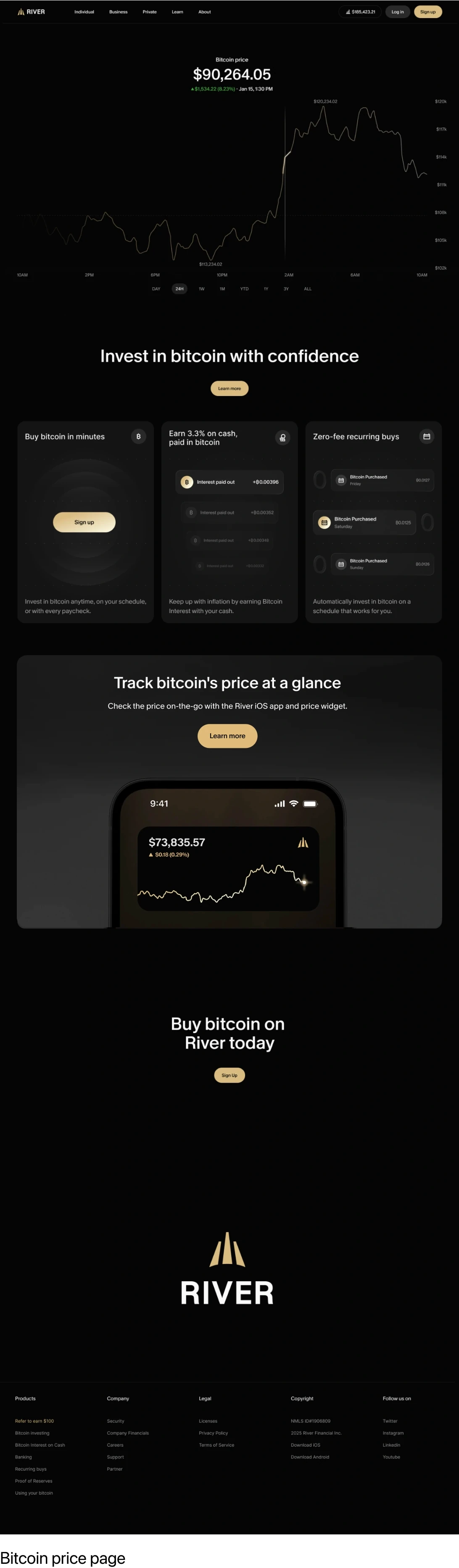
Bitcoin price page
Bitcoin price page
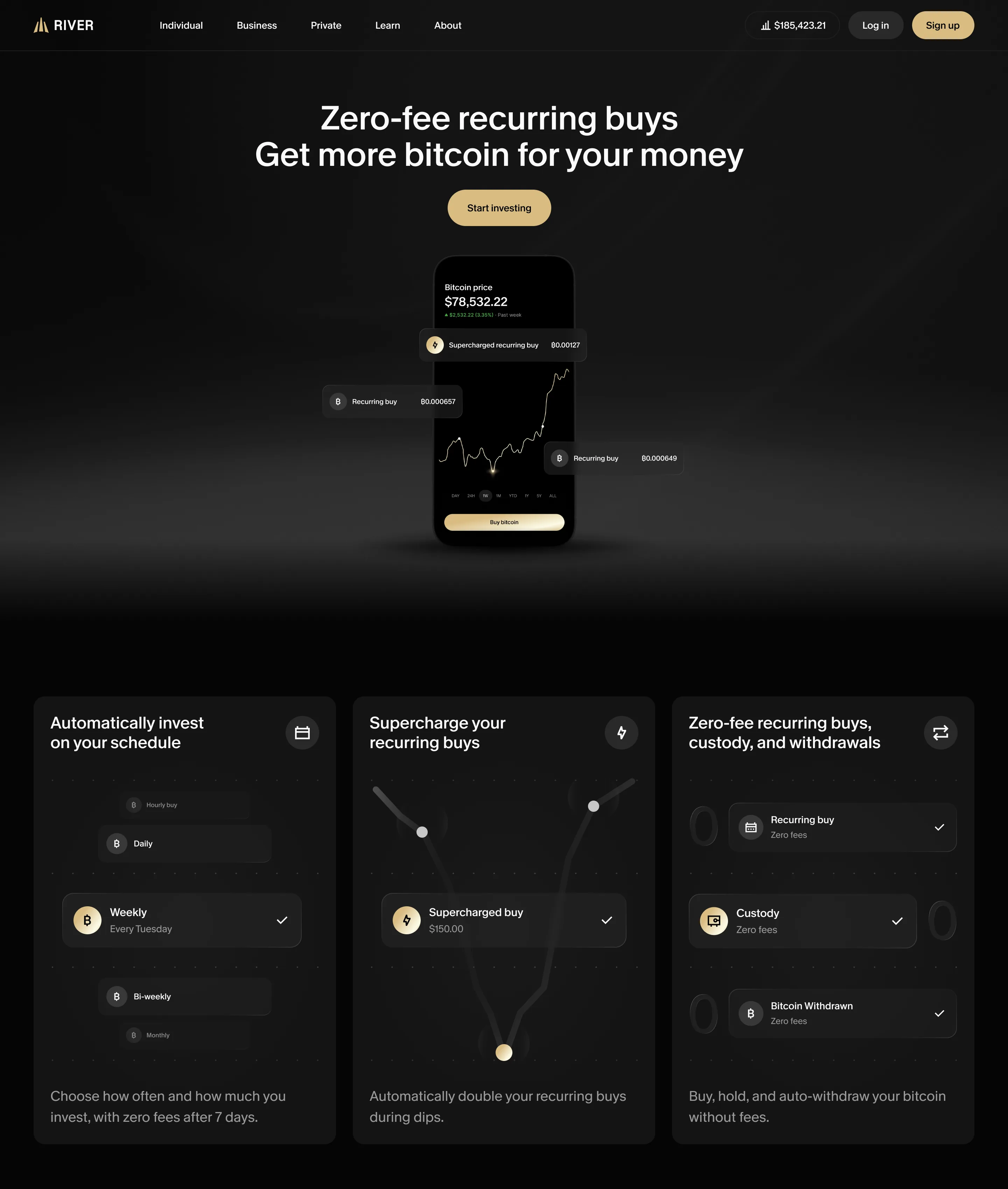
Interest page
Interest page